Human creativity has long grappled with an essential mystery: where do transformative ideas originate? Across millennia, thinkers, poets, and musicians have sought to personify the sudden spark of creative illumination. This elusive force found its earliest personification in the classical concept of the muse—an entity conceived not merely as an abstract thought, but as an external presence bridging human effort and transcendent imagination.
As cultural contexts shifted from sacred temples to modern recording studios and digital workstations, the muse underwent profound conceptual transformations. Examining this evolution reveals how humanity conceives artistic agency, the psychology of flow, and the tension between organic insight and external influence.
The Classical Pantheon: Daughters of Memory
In ancient Greek mythology, the Muses were the nine daughters of Zeus and Mnemosyne, the goddess of memory. This lineage holds symbolic weight: inspiration was viewed not as arbitrary novelty, but as an act of profound remembrance and communion with enduring truths. Presiding over epic poetry, history, astronomy, and tragedy, each muse governed a distinct domain of human intellectual and artistic pursuit.
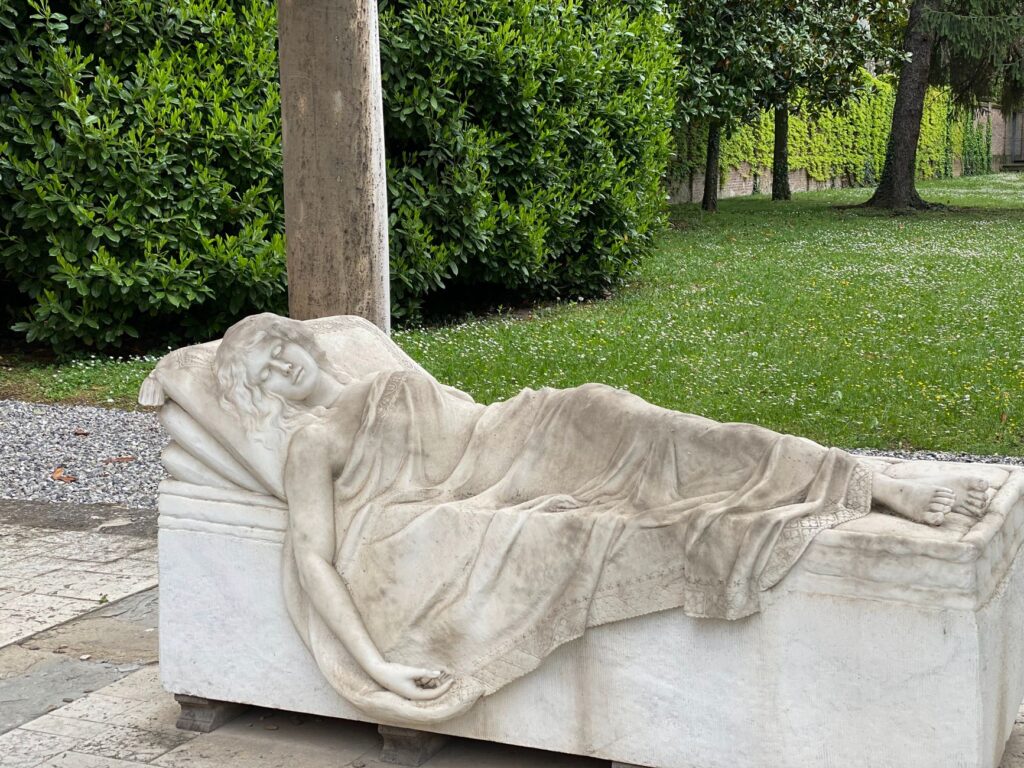
Classical creators did not claim sole authorship over their masterpieces. Homer famously opened the Iliad by invoking the goddess to sing through him, establishing a creative framework where human artists functioned as vessels rather than sovereign originators. This externalized attribution served a psychological purpose: it liberated creators from the crushing weight of isolated genius while honoring the inexplicable spontaneity of artistic breakthrough.
The Sonic Transformation: Progressive Rock and Modern Angst
In contemporary popular culture, the term took on an electrifying visceral presence with the emergence of the English rock trio Muse. Formed in Teignmouth, Devon in 1994, the ensemble consisting of Matt Bellamy, Chris Wolstenholme, and Dominic Howard fundamentally altered the landscape of alternative and progressive rock by channeling modern existential anxiety through grandiose symphonic structures.
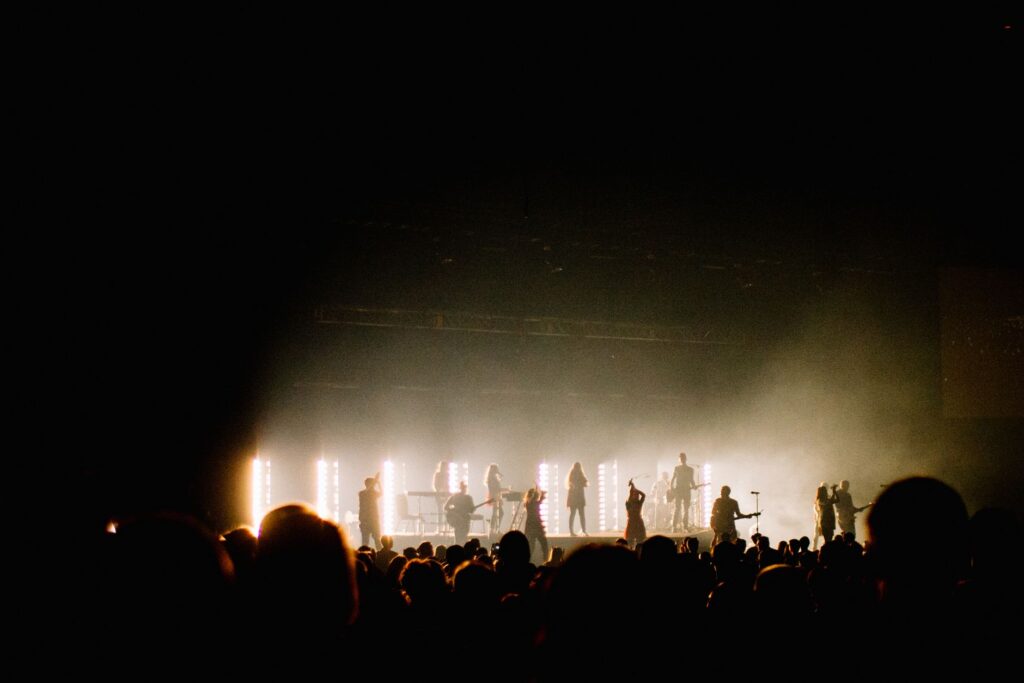
Rather than invoking quiet pastoral reflection, the band’s aesthetic fused romantic classical compositions—drawing inspiration from masters like Sergei Rachmaninoff and Frédéric Chopin—with distorted basslines, operatic falsettos, and blistering guitars. Landmark records such as Origin of Symmetry and Absolution demonstrated how the idea of a muse could morph from ancient serenity into turbulent, dystopian catharsis.
“True creative force often emerges at the intersection of classical discipline and technical audacity, turning emotional vulnerability into sonic power.”
The band’s thematic fascination with technology, surveillance, astrophysics, and totalitarianism reflected a modernized muse: no longer a passive mythological goddess, but an urgent, electric dialogue with the pressures of the late modern era.
The Psychological Dimension: Internalizing the Creative Spark
During the twentieth century, the rise of cognitive science and depth psychology initiated a pivot inward. Psychologists such as Carl Jung posited that creative flashes attributed to mythological beings actually reflected the activity of the subconscious mind. Under this perspective, the muse is an internal archetype—a manifestation of intuitive associations forged beneath conscious awareness.
Modern psychological research into creative flow highlights specific conditions that allow this internal muse to thrive:
- Prolonged Deep Work: Creative leaps rarely happen in a vacuum; they require rigorous foundational immersion in a craft before synthesis occurs.
- Subconscious Incubation: Stepping away from acute problem-solving allows diffuse cognitive modes to forge unexpected connections.
- Psychological Safety: The freedom to fail without immediate self-censorship permits unorthodox ideas to surface without suppression.
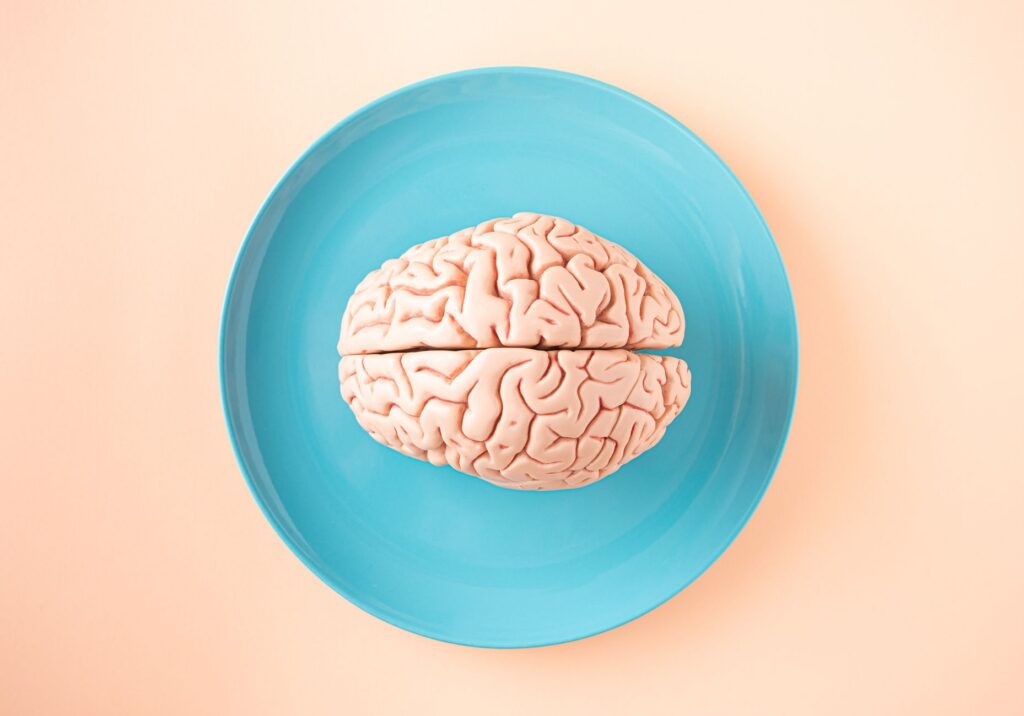
This reinterpretation reframes inspiration as a disciplined collaboration between deliberate effort and involuntary insight, establishing that the muse is cultivated through rigorous practice rather than passive expectation.
The Computational Frontier: The Algorithmic Muse
Today, the dialogue surrounding creative stimulation faces an unprecedented paradigm shift with the rapid ascent of generative artificial intelligence and computational platforms. Modern software tools analyze vast corpora of historical literature, music, and visual art to suggest novel syntactical and harmonic combinations, functioning effectively as algorithmic muses.
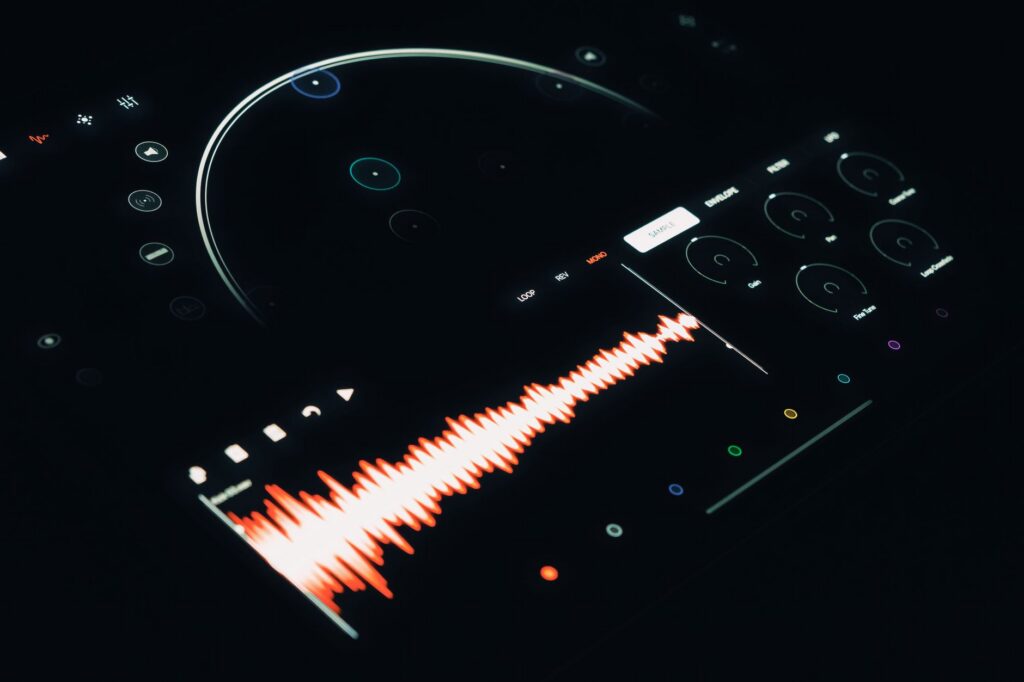
This development sparks vital debates regarding artistic intent and intellectual property. Can an automated system truly inspire, or does it merely recombine historical data without intentionality? While computational models can accelerate ideation and surface intricate variations, the discerning spark—the emotional resonance and ethical judgment that defines true art—remains an intrinsically human prerogative.
Conclusion: The Enduring Pursuit of Creation
From the mountaintops of Helicon to stadium-filling rock crescendos and algorithmic neural networks, the concept of the muse endures because it mirrors humanity’s deepest impulse: to transcend mundane reality through artistic creation. Whether understood as a divine benefactor, an external sonic assault, or a subterranean cognitive leap, the muse continues to represent the wondrous threshold where preparation encounters the unexplainable spark of genius.