On September 16, 1994, pupils at Ariel School, near Ruwa in Zimbabwe, told adults that they had seen an unusual object and figures on school grounds. The reports drew international attention, in part because many witnesses were children and some described similar details. The incident is often called the Ariel School encounter. It remains an account of alleged contact, not a verified landing or confirmed extraterrestrial visit.
A schoolyard report
The event reportedly took place during a morning break. While teachers were occupied elsewhere, a group of pupils said they noticed a shiny object near the edge of the school grounds. Some described it as a craft; accounts varied about its size, shape, and whether it moved. Several children also reported seeing one or more small figures nearby.
The pupils did not all give identical descriptions. In later interviews, some spoke of large eyes, dark clothing, or unusual movement. Other details differed, and not every child said they had seen the same thing. The number of witnesses is commonly given as 62, though the reports emerged through interviews and recollections rather than a formal, contemporaneous census of every pupil who saw something.
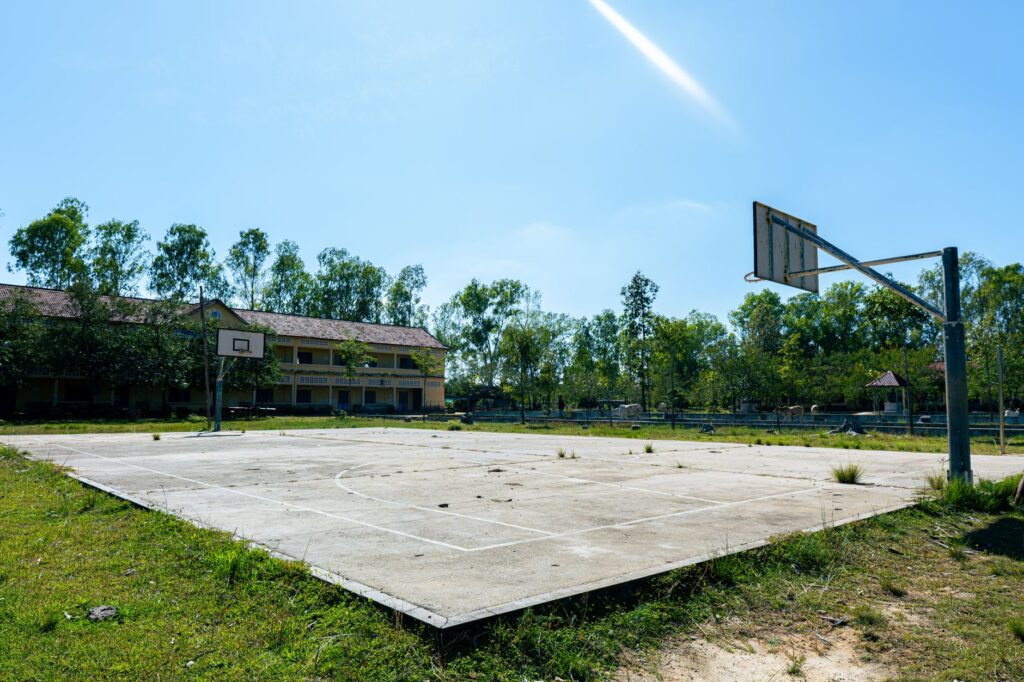
Accounts place the object or figures near trees bordering the schoolyard. The setting matters: the children were outside, the observation was relatively brief, and the incident was not documented by a recording device. There is no publicly established physical trace that independently demonstrates a craft landed there.
How the accounts were recorded
Parents and journalists began speaking with pupils after the reports spread. A major later inquiry came from psychiatrist John E. Mack, who interviewed some of the children. Mack was interested in their accounts and the emotional effects they described. His interviews helped make the episode known beyond Zimbabwe, but they were conducted after the event, not as controlled observations at the time it occurred.
That distinction is important. A child’s sincere recollection can be meaningful evidence about what they experienced, but sincerity alone does not identify the cause. Interviews conducted after discussion among witnesses can also be affected by shared stories, repeated questions, and the passage of time. These are general limitations of retrospective testimony, not proof that the children were lying.
What can and cannot be established
The strongest documented fact is that a number of pupils reported seeing something they understood as unusual. Their accounts deserve to be described accurately, including both the overlap and the differences between them. Yet the available record does not establish that the object was an extraterrestrial vehicle, or even that all witnesses observed the same event in the same way.
Possible explanations have included a misidentified object, an ordinary event interpreted under unusual circumstances, or the influence of conversation among pupils after the initial reports. None has been conclusively demonstrated. Without independent measurements, photographs, physical evidence, or a clearly documented observation by adults, it is difficult to distinguish among these possibilities.
Why the case remains discussed
The Ariel School encounter stands out because the witnesses were young, the reports came from a school community, and several children described figures as well as an object. Those features make it compelling to many readers, but they do not resolve the central question. Group testimony can raise worthwhile questions while still leaving the explanation uncertain.
A careful account therefore avoids two extremes: presenting the incident as proof of alien visitation, or dismissing the pupils’ reports without examination. The available evidence supports a narrower conclusion: children at Ariel School reported an extraordinary experience in September 1994, and later interviews preserved some of their recollections. What caused the experience remains unknown.
For researchers, the episode illustrates why prompt, independent documentation matters. Separate interviews recorded before witnesses compare accounts, clear notes on observation conditions, and physical or instrumental evidence would help evaluate an event more reliably. In this case, the surviving record invites continued interest, but it cannot turn an unexplained report into a confirmed alien contact incident.