On December 4, 1872, the British brigantine Dei Gratia encountered a ship drifting in the Atlantic near the Azores. Its sails were damaged, its deck was wet, and no one answered calls from the approaching crew. The vessel was the Mary Celeste, an American merchant ship that had left New York weeks earlier. Its people were gone.
The discovery became one of the world’s most enduring maritime mysteries not because the ship had disappeared, but because it had not. The Mary Celeste remained afloat and carried much of its cargo. Yet its captain, Benjamin Briggs, his wife, Sarah, their young daughter, and the seven crew members were nowhere to be found.
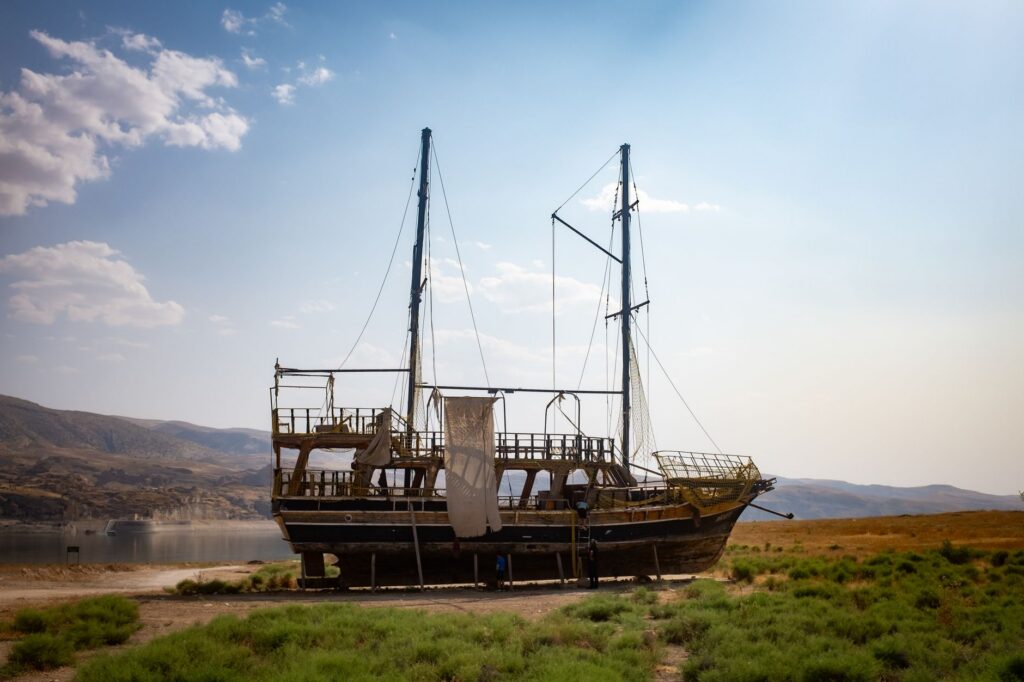
A ship without its passengers
Briggs had sailed from New York in November 1872, bound for Genoa with a cargo of industrial alcohol. The voyage appeared ordinary until the Dei Gratia found the vessel. Its last recorded log entry was dated November 25 and placed the ship near the Azores. When it was boarded, the Mary Celeste showed signs of disorder and exposure to the elements, but it was not a wreck.
The lifeboat was missing, an important clue that the occupants had left the ship rather than simply vanished below deck. Some navigational and personal items were also absent, while other possessions remained. The ship’s papers were largely gone, although the ship’s log survived. Such details invite interpretation, but they do not reveal why anyone left or what happened afterward.
The cargo offered another possible clue. The barrels contained alcohol intended for industrial use, not drinking. Some were later found empty, but the ship was not carrying an obvious explanation for a mass disappearance. The vessel had taken on water, as ships often did during a difficult passage, but investigators found it sufficiently seaworthy to be brought into port.
What the official inquiry could—and could not—establish
After the Mary Celeste reached Gibraltar, a court examined the circumstances surrounding its recovery. The inquiry focused partly on whether those who found the ship had acted improperly in claiming salvage. Officials inspected the vessel and considered signs that might point to violence or deliberate wrongdoing. Suspicion arose, but suspicion was not proof. The inquiry did not establish that the crew had murdered one another or that the salvage crew had caused the disappearance.
This distinction matters. Popular retellings often present the case as if investigators discovered a perfectly untouched ship, a hot meal on the table, or a clear trail of blood. Such dramatic details are not a reliable summary of the documented evidence. The ship had suffered damage and showed signs of having been at sea; its condition was more complicated than the familiar image of a pristine vessel abandoned in an instant.
The inquiry could establish that the people were missing and that the ship had been left. It could not determine what prompted the decision, whether everyone entered the lifeboat, or how the lifeboat was lost. Without witnesses or a complete set of records, a definitive reconstruction remains out of reach.
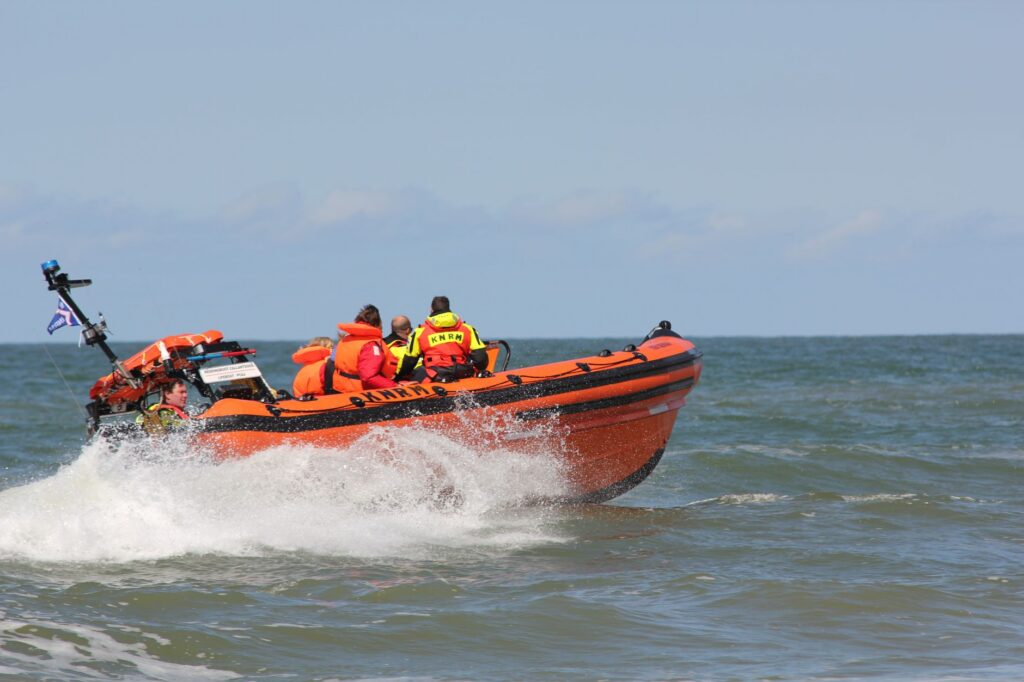
The leading explanations
One plausible explanation is that Briggs believed the ship was in immediate danger. A leak, rough weather, or concern about the cargo might have led him to order an evacuation. If the lifeboat remained tethered to the Mary Celeste, a sudden change in wind or sea conditions could have separated it from the ship. The brigantine might then have continued drifting while those aboard the smaller boat were left exposed.
Alcohol vapour has also featured in explanations of the episode. A leak or pressure inside a barrel could have made the crew fear fire or explosion, prompting a temporary evacuation. However, there is no conclusive evidence that an explosion occurred or that the occupants abandoned ship for this reason. It remains a possible scenario, not a confirmed account.
Other theories invoke piracy, mutiny, or foul play. They are difficult to support with the surviving evidence. The cargo and vessel were recovered, and investigators did not prove that violence caused the disappearance. The fact that a theory can explain one troubling detail does not make it a full explanation of the case.
Why the mystery endures
The Mary Celeste case is a lesson in the limits of historical investigation. Its central facts are striking, but the evidence is incomplete: no surviving testimony from the people aboard, no definitive record of an evacuation, and no confirmed account of their fate. Each proposed explanation must bridge gaps that the surviving documents cannot fill.
That uncertainty is precisely what keeps the story alive. The ship’s condition suggests that its people did not simply vanish in a catastrophe at sea, while the missing lifeboat suggests a departure that may have begun as a precaution. Neither clue tells us what happened next. More than a century later, the Mary Celeste still invites a careful question rather than a confident answer: what danger seemed so urgent that an experienced captain chose to leave a ship that remained afloat?