For nearly eight decades, the phrase “unidentified flying object” (UFO) has captivated public imagination, straddling the boundary between sensational folklore and legitimate national security concern. What began as scattered civilian observations in the late 1940s has steadily evolved into a disciplined domain of aerospace inquiry, now commonly designated by defense agencies and scientific bodies as Unidentified Anomalous Phenomena (UAP). Examining this historical trajectory reveals a critical transition: the movement away from speculative mythology toward rigorous multi-sensor telemetry, advanced optics, and systematic data analysis.
The Cold War Crucible and the Roots of Speculation
The dawn of the UFO phenomenon coincided directly with the onset of the Cold War. In the post-World War II landscape, both the United States and the Soviet Union accelerated rapid advancements in experimental aviation, high-altitude surveillance, and ballistic rocketry. This climate of heightened vigilance and pervasive strategic secrecy created fertile ground for unexplained sightings.
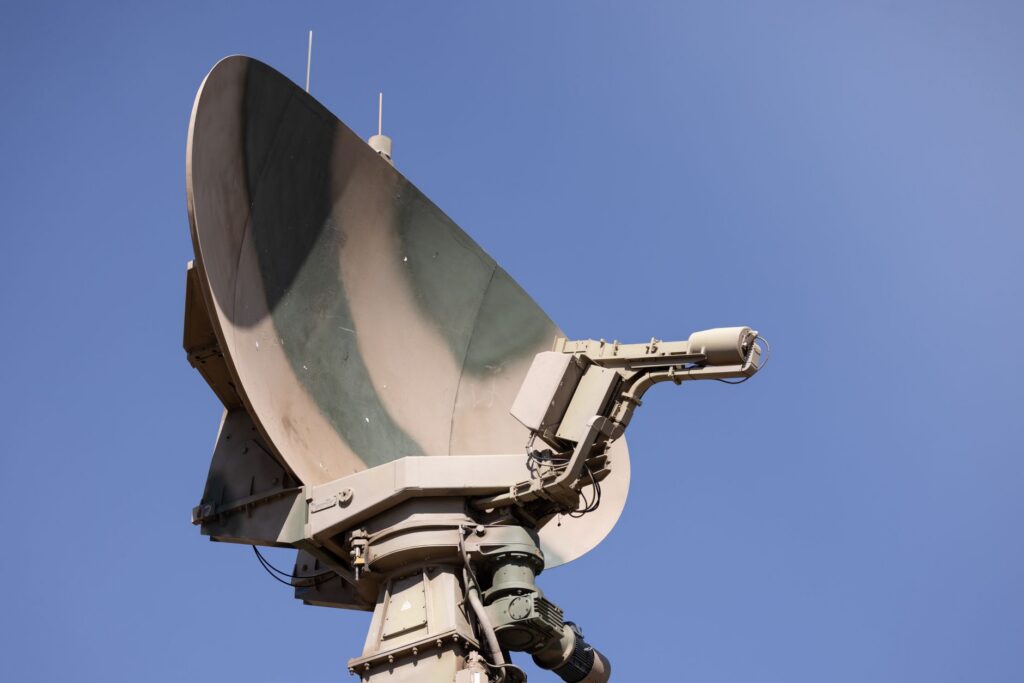
Perhaps no event exemplifies this intersection better than the July 1947 incident near Roswell, New Mexico. The initial recovery of mysterious debris by military personnel prompted immediate media attention, briefly igniting rumors of an extraterrestrial craft. Decades later, declassified military records revealed that the debris originated from Project Mogul—a top-secret program deploying high-altitude balloon arrays equipped with acoustic sensors designed to detect Soviet nuclear tests. Because the project was classified at the highest levels, defense officials offered evasive explanations, inadvertently fueling decades of conspiracy theories.
“The tension between national security imperatives and public transparency during the Cold War created an information vacuum, inevitably populated by conjecture.”
During this era, reconnaissance platforms like the U-2 and subsequent high-speed, high-altitude aircraft operated far above normal commercial and military flight corridors. When illuminated by twilight rays at extreme altitudes, these craft appeared luminous and unidentifiable to pilots below, generating a substantial percentage of the reports logged by military investigative bodies such as Project Blue Book.
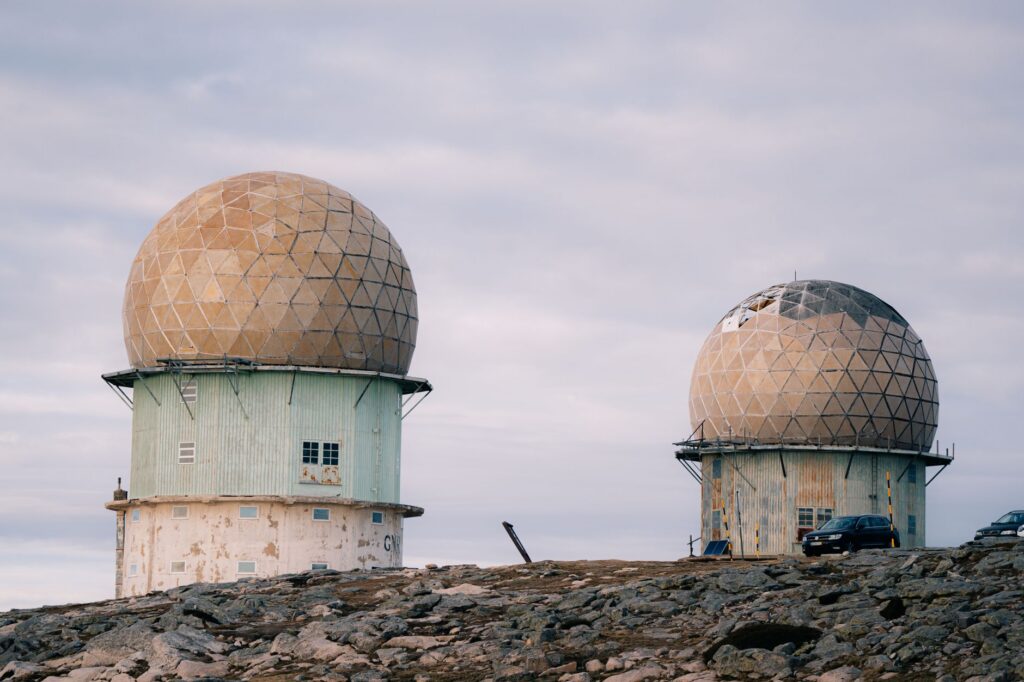
Documented Military Encounters: The 1976 Tehran Incident
While many sightings can be traced to classified programs or atmospheric optical illusions, certain historical encounters presented genuine operational challenges that defied immediate technical explanation. Among the most thoroughly documented military encounters in history is the Tehran incident of September 19, 1976.
Late that evening, civilian radar and visual observers in the capital of Iran detected an intensely bright aerial object. In response, the Imperial Iranian Air Force scrambled an F-4 Phantom II fighter jet to intercept. As the interceptor closed in, the pilot reported a total failure of onboard instrumentation and communications, which returned to normal operation only after the aircraft broke off pursuit.
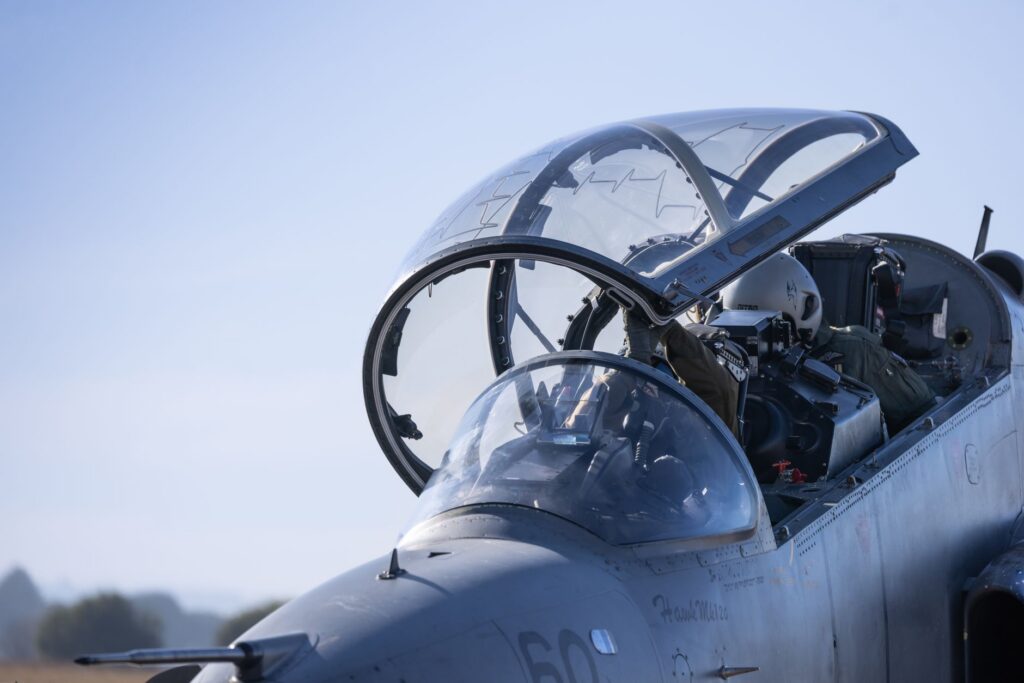
A second F-4 was subsequently vectored toward the contact. The crew established both visual contact and a definitive radar lock. However, when the pilot prepared to arm and deploy an air-to-air missile, the weapons control panel experienced sudden electronic failure. Simultaneous reports from a nearby commercial airliner confirmed broad-spectrum radio interference. The encounter was subsequently analyzed in formal intelligence reports by the United States Defense Intelligence Agency (DIA), which noted the exceptional degree of radar and visual correlation alongside temporary electronic degradation. Whether caused by intense electronic warfare testing, an unprecedented atmospheric electromagnetic phenomenon, or novel technology, the incident demonstrated that anomalous aerial phenomena warranted serious tactical analysis rather than dismissal.
The Paradigm Shift: From Anecdotes to Multi-Sensor Analytics
Historically, the study of UFOs suffered from reliance on anecdotal eye-witness testimony. Human perception is notoriously vulnerable to parallax illusions, lighting anomalies, and psychological misinterpretation. In recent years, however, the discussion has fundamentally shifted due to the ubiquitous deployment of high-resolution digital sensor suites across military and commercial platforms.
- Active Electronically Scanned Array (AESA) Radars: Modern radar systems provide unprecedented precision in track tracking, velocity measurement, and cross-sectional radar signatures.
- Forward-Looking Infrared (FLIR): Mid-wave and long-wave thermal imaging captures thermal signatures independent of visible light, highlighting propulsion heat differentials or lack thereof.
- Electro-Optical Targeting Systems: High-magnification visual tracking allows real-time optical verification alongside telemetry correlation.
- Civilian and Scientific Sensor Arrays: Independent ground-based observation stations, satellite constellations, and oceanographic acoustic systems now contribute corroborated datasets.

This integration of multi-modal data transforms the question from subjective belief into empirical verification. Modern defense organizations and academic consortia focus on quantifying flight dynamics: instantaneous acceleration, hypersonic velocity without observable sonic booms, low observability, trans-medium travel, and positive lift without traditional aerodynamic surfaces.
Eliminating Sensor Artifacts and Methodological Rigor
Despite advancements in technology, sensor-based data introduces its own unique set of analytical hurdles. Scientific evaluation requires careful calibration to differentiate genuine physical anomalies from technological artifacts.
- Gimbal Drift and Parallax: High-speed optical tracking sensors rotating on multiple axes can produce the illusion that a distant object is maneuvering erratically or moving at tremendous velocity against an ocean or cloud backdrop.
- Thermal Glare and Diffraction: High-intensity exhaust from distant conventional jets or flares can saturate infrared detectors, creating an apparent aura or obscuring the true shape of the target.
- Radar Clutter and False Returns: Complex atmospheric ducting, bird migrations, or rogue meteorological phenomena can generate phantom radar tracks that mimic high-speed physical targets.

By applying rigorous peer-reviewed physics models and sensor simulations, investigators can systematically eliminate false positives. The goal of contemporary inquiry is not to validate sensational extraterrestrial hypotheses by default, but rather to isolate the fraction of observations that remain truly unexplained after all known scientific and technological variables have been ruled out.
Conclusion: Grounding Aerial Anomalies in Science
The transition of UFOs into the sphere of measurable aerospace anomalies marks a significant maturation in science and defense policy. De-stigmatizing reports from trained aviators and leveraging calibrated, multi-spectrum sensor data replaces fear and rumor with empirical measurement. As research platforms continue to refine their analytical tools, the aerospace community moves closer to answering whether these phenomena stem from advanced adversarial surveillance, overlooked atmospheric physical processes, or novel technologies operating beyond the current frontiers of aeronautical engineering.