For millennia, humanity has looked upon the physical world with a mixture of reverent awe and rigorous curiosity. While modern empirical science has illuminated countless mechanisms of the cosmos—unraveling the genome, mapping planetary surfaces, and charting subatomic particles—our planet continues to preserve secrets that resist clear explanation. The study of natural phenomena has evolved from Renaissance-era catalogs of wonder, such as John Bate’s 1634 treatise The Mysteries of Nature and Art, into contemporary geophysical and biological investigations. Yet, between the upper atmospheric fringes and the crushed abyssal trenches, Earth harbors dynamics that test the boundaries of empirical observation.
Natural mysteries are not merely gaps in knowledge waiting to be filled; they are active testing grounds for physics, meteorology, geology, and evolutionary biology. Investigating these anomalies demands an openness to unconventional hypotheses coupled with strict scientific discipline.
Atmospheric Enigmas: Flashes in the Sky and Whispering Currents
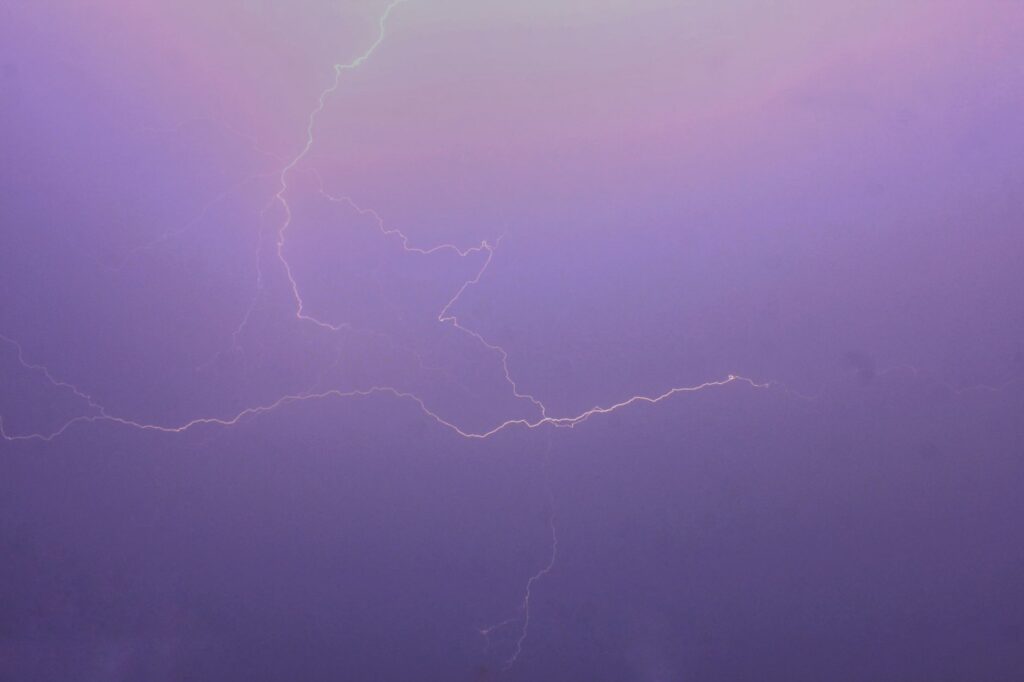
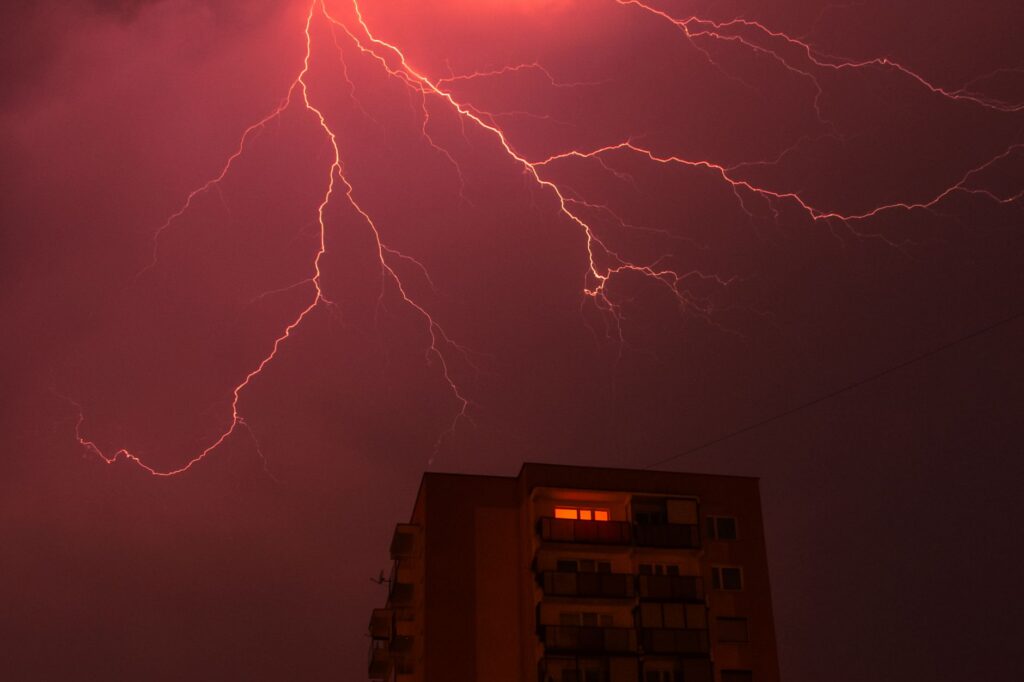
The atmosphere serves as an active chemical and energetic blanket enveloping Earth, yet several of its most dramatic expressions remain largely anomalous. Chief among these is the elusive phenomenon known as ball lightning. Observed for centuries and recorded across diverse cultures, ball lightning manifests as luminous, spherical entities ranging from the size of a coin to several meters in diameter. These orbs typically appear during electrical storms, hovering silently or drifting erratically before either dissipating quietly or bursting with an explosive pop.
Despite laboratory attempts to simulate the effect through microwave radiation, vaporized silicon models, and plasma discharges, a unified theoretical consensus remains elusive. Traditional electromagnetic theories struggle to explain the extended lifespan of the spheres, which often persist for several seconds—far longer than conventional plasma arcs can sustain equilibrium at ambient pressure.
Upper-Atmospheric Transient Luminous Events
Higher above the troposphere, in the mesosphere and ionosphere, lies an entirely different family of electrical enigmas known collectively as Transient Luminous Events (TLEs). These include:
- Red Sprites: Vast, jellyfish-shaped electrical discharges flashing high above active thunderstorm systems.
- Blue Jets: Narrow beams of optical energy shooting upwards toward the stratosphere.
- ELVES: Rapidly expanding rings of faint, glowing illumination generated by electromagnetic pulse excitation.
Discovered photographically only in the late 20th century, these high-altitude events reveal that the electrical circuit between the upper atmosphere and the Earth’s surface is significantly more complex than classical electrostatic models previously suggested.
The Biotic Frontier: Enigmas of Migration and Deep Biospheres
Life itself constitutes one of nature’s most sophisticated puzzle engines. The navigational precision of migratory organisms presents questions that continue to puzzle evolutionary biologists. Every year, millions of species undertake transcontinental journeys across featureless oceans and shifting air currents, returning accurately to the specific estuaries, beaches, or forest groves where they originated.
“The precision of avian and marine navigation suggests an intricate sensory synthesis—integrating celestial mechanics, olfactory maps, and quantum-level geomagnetic sensing—that human technology is only beginning to decipher.”
The primary mystery lies in magnetoreception: the biological mechanism that allows organisms to detect the subtle lines of Earth’s magnetic field. While cryptochromes—specialized photoreceptor proteins found in avian retinas—are widely considered the primary candidates for quantum-entangled radical pair reactions, the precise pathways that translate these molecular shifts into conscious navigational decisions remain an open field of research. Marine organisms, such as sea turtles and salmon, demonstrate parallel sensory feats without identical ocular apparatuses, indicating that convergent evolutionary paths have yielded distinct magnetosensory adaptations.
The Subsurface Abyss
Equally baffling are the biological adaptations found within the deep biosphere. Miles beneath the ocean floor, within solid basalt formations and superheated hydrothermal vents, extremophilic microbial colonies thrive under crushing pressures and total darkness. These organisms operate on metabolic timescales that challenge traditional definitions of life cycles. Some sub-seafloor microbes possess turnover rates measured in centuries or millennia rather than hours or days, posing profound questions about cellular preservation, DNA repair mechanisms, and the absolute energetic minimum required to sustain life.
Geological and Oceanic Oddities: Earth’s Silent Dynamics
Beneath the planet’s dynamic weather systems and flourishing biomes sits the solid crust and mantle—realms that generate anomalies that are both subtle and immense. One persistent geophysical anomaly is the continuous low-frequency hum of the Earth. Detected by sensitive seismometers around the globe, this microseismic vibration persists day and night, independently of seismic shockwaves from earthquakes.
While oceanic wave interactions—specifically the collision of opposing ocean swells generating pressure waves against the seafloor—are widely accepted as the dominant driver, atmospheric fluctuations and deep mantle interactions continue to be debated as secondary contributors. The exact balance of forces maintaining this planetary drone is still being calculated.
Abyssal Plains and Undersea Dynamics
Covering more than half of the planet’s surface, the abyssal plains are the least explored habitats on Earth. Oceanographic expeditions routinely encounter phenomena that defy conventional ocean dynamics:
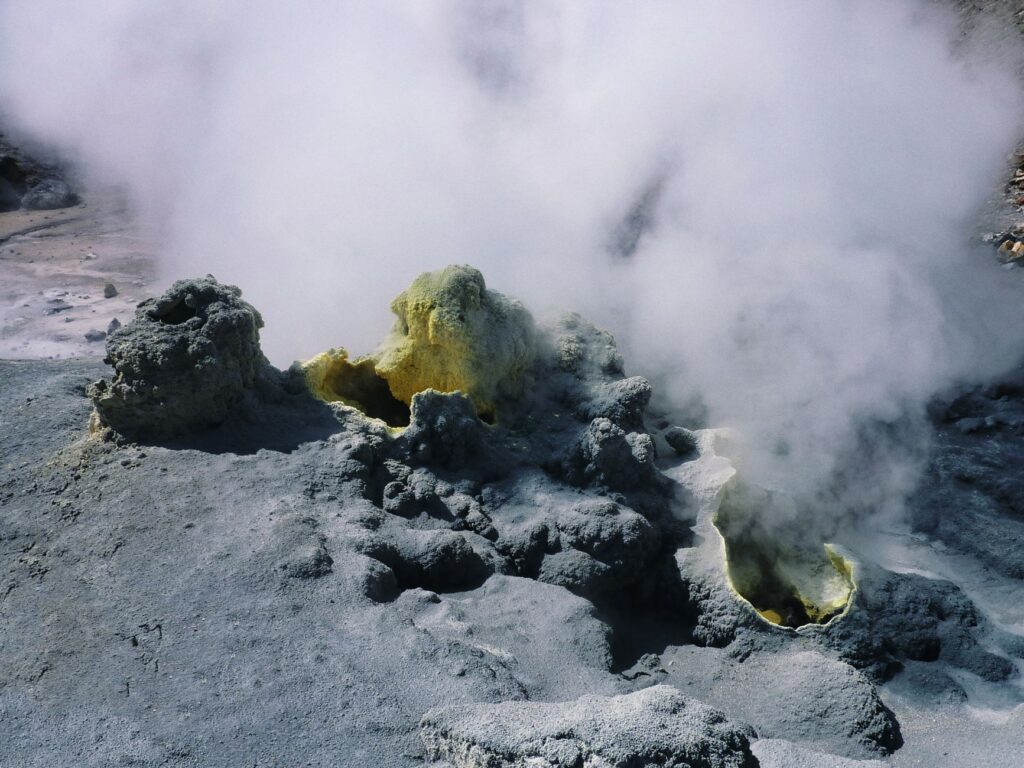
- Deep-Sea Brine Pools: Ultra-dense, hyper-saline underwater lakes that sit undisturbed on the sea floor, complete with their own distinct shorelines and wave patterns.
- Cold Seeps: Areas where hydrocarbons seep through the crust, fueling chemosynthetic communities that bypass solar energy entirely.
- Rogue Waves: Spontaneous, towering surface waves emerging without warning in deep water, once dismissed as maritime folklore until satellite radar data confirmed their regular occurrence.

The Legacy of Inquiry: Transforming Wonder into Discovery
Historically, humanity approached natural mysteries through the lens of esoteric philosophy or magical thinking. Early early modern thinkers compiled curiosities alongside practical craft recipes, trying to reconcile mechanical physics with the seemingly supernatural forces of magnetism, combustion, and hydraulics. As scientific methodology matured, observation replaced superstition, yet the underlying sentiment remained unchanged: nature operates on scales and mechanisms that exceed our initial assumptions.
Today, the pursuit of unsolved natural phenomena is more than an intellectual exercise. Demystifying atmospheric discharges advances aviation safety and satellite telecommunications. Unlocking the biophysical secrets of animal magnetoreception inspires autonomous navigation systems independent of orbital GPS networks. Investigating extremophiles informs astrobiological exploration on icy planetary moons across our solar system.
Far from diminishing the magic of the world, scientific exploration sharpens our appreciation of it. Every answered question uncovers a more profound stratum of inquiry, proving that the greatest mystery of nature is not that it hides its mechanisms, but that its depth constantly invites new discoveries.