On December 5, 1872, the British brigantine Dei Gratia came upon a ship drifting in the Atlantic, roughly 400 miles east of the Azores. It was the Mary Celeste, an American merchant vessel bound for Genoa. The ship was still afloat and carried its cargo, but its crew was gone. More than a century later, no explanation for their disappearance has been established.
A ship found adrift
The Mary Celeste had left New York on November 7, carrying a cargo of industrial alcohol. Its captain, Benjamin Briggs, was an experienced mariner. His wife, Sarah, and their young daughter, Sophia, were aboard, along with seven other crew members. There were ten people in all.
When the Dei Gratia’s crew boarded the vessel, they found it in poor but navigable condition. Water had entered the hold, and some equipment was damaged or missing. The ship’s lifeboat was gone. The cargo remained on board, although a number of the alcohol barrels were later found to be leaking. There was no sign of the crew, and no clear evidence of a struggle.
The last surviving entry in the Mary Celeste’s log was dated November 25 and placed the ship near the Azores. That entry records where the vessel was, not what happened next. The gap between the final log and its discovery is central to the mystery: the ship traveled on, but the people who could explain their decisions did not return.
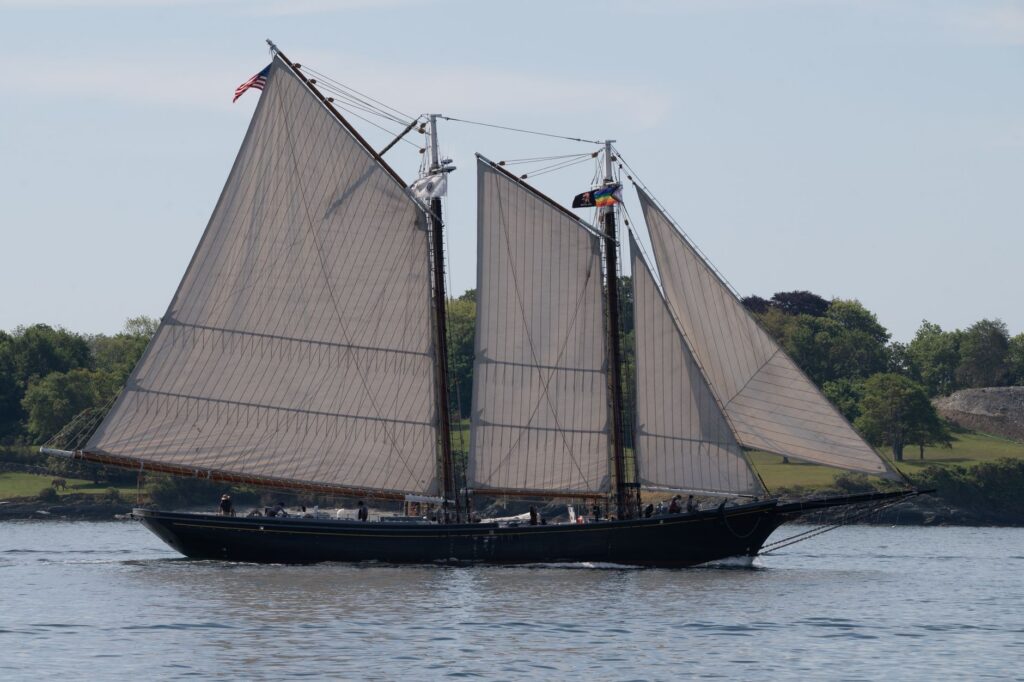
What the evidence can—and cannot—say
The missing lifeboat suggests that the crew may have left the ship voluntarily. But leaving a vessel that was still afloat would have been a dangerous choice, especially in open ocean. One proposed explanation is that Briggs feared an immediate threat, such as flooding or a problem with the alcohol cargo. If the crew believed the ship was about to become unsafe, they might have taken to the boat and intended to remain close by.
Alcohol vapor, however, is not proof of an explosion or a fire. Later accounts have sometimes described a dramatic blast, but the documented condition of the ship does not establish that one occurred. Likewise, flooding was present, but that alone does not show that the crew thought the vessel would sink. The surviving evidence supports questions, not a decisive reconstruction.
Other possibilities include severe weather, navigational trouble, or a mistake during an attempt to transfer the crew to a smaller boat. Each could explain part of the scene, but none is backed by a record from someone who was there. The weather encountered on the voyage and the ship’s condition have been examined in different accounts, yet no single scenario neatly accounts for the missing people, the absent lifeboat, and the vessel’s continued passage.
The inquiry and the legend
The Mary Celeste was taken to Gibraltar, where a court inquiry considered the circumstances of its recovery and the salvage claim made by the Dei Gratia crew. The proceedings did not establish that the crew had been murdered or that the rescuers had caused the disappearance. Suspicion and speculation surrounded the case, but suspicion was not a finding of guilt.
Over time, fictional retellings added details that made the episode more sensational, including meals supposedly left untouched and a ship deserted in perfect condition. Such embellishments are not reliable evidence. The real vessel was damaged and partly flooded, and its provisions were not found in the tidy, untouched state often depicted in popular versions.
Why the case remains open
The mystery persists because the best evidence is indirect. Investigators can compare the ship’s route, cargo, log, and condition, but they cannot know what Briggs and his crew saw or believed during the final hours. The lifeboat might have been a precaution, a response to a perceived danger, or part of a failed plan to stay with the ship. Each interpretation requires assumptions that the surviving record cannot verify.
The Mary Celeste was not an empty vessel without context; it was a working ship with a documented voyage and identifiable passengers. Yet the most important event—the moment its crew left—was never recorded by a witness who survived to explain it. That absence keeps the case unresolved: the ship offers clues about what may have happened, but none can establish why ten people abandoned it or what became of them.