A popular GitHub repository can look finished from the outside: a polished README, a large star count, and a list of releases. But a repository is not a static product page. It is a record of decisions, defects, proposed changes, and maintenance work. To understand what makes a project useful—and whether it is still moving—follow the work visible around the code.
Popularity is a doorway, not a status report
Stars can help people discover a project, but they do not explain its current condition. A repository may attract attention long after its main development has slowed, while a smaller project may be actively maintained for a specialized audience. The number is therefore best treated as a discovery signal, not a measure of reliability, support, or fit.
Start with the project’s own description. Check what problem it claims to solve, which environments it supports, and whether its installation and usage instructions match your needs. Then look at recent activity in context. A quiet period is not automatically a warning: mature software may need few changes. Conversely, a busy stream of commits does not by itself show that changes are reviewed or releases are usable.
Read the work, not just the headline
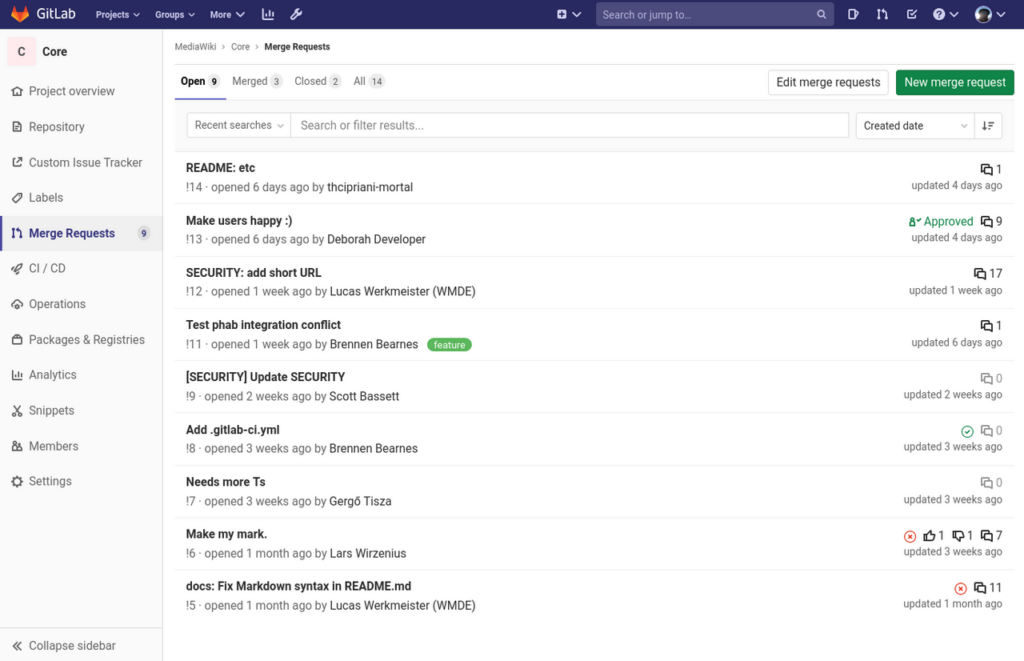
Issues and pull requests reveal how a project handles uncertainty. Issues record reported problems, questions, and proposed improvements. Pull requests show suggested changes and the review conversations around them. Together, these sections can clarify whether maintainers respond, how contributors discuss trade-offs, and whether reports are being turned into fixes.
Look for patterns rather than judging one unanswered thread. Some issues need more information, concern unsupported configurations, or duplicate an existing report. A project may also direct questions to discussions or another support channel. Read its contribution guidelines before opening a new issue, and search existing reports so that maintainers do not have to sort through avoidable duplicates.
Releases connect code to users
A change merged into a repository is not necessarily available to people using the software. Release notes and tags help show which changes have been packaged and when. Compare the documented installation method with the release history: a project’s instructions may point to a stable version, a development build, or a package maintained elsewhere.
Release notes are particularly useful when evaluating a project for real work. They can identify breaking changes, new requirements, fixes, and upgrade steps. If the project does not provide detailed notes, the commit history may offer clues, but interpreting it can require technical knowledge. When the consequences of a change matter, test it in a separate environment before changing a production setup.
Documentation is part of the project
README files often serve as the front door, but they are only one part of the documentation. Installation guides, configuration references, examples, and troubleshooting notes answer different questions. A project can have capable code and still be difficult to adopt if users cannot tell which instructions apply to their version.
Documentation also gives newcomers a practical way to contribute. A confusing instruction or outdated example can be easier to investigate than a complex code defect. Before submitting a correction, check the project’s preferred contribution process and whether documentation changes belong in the same repository or a separate one.
Choose a contribution that fits the evidence
Once a project’s purpose and current workflow are clear, find a task that matches your experience. Maintainers sometimes label issues for newcomers, but labels are not guarantees that a task is simple or unclaimed. Read the discussion, check whether someone is already working on it, and ask a focused question if the expected result is unclear.
A useful first contribution is small enough to review and specific enough to verify. Follow the project’s formatting, testing, and commit instructions. If a change affects behavior, explain the problem it addresses and how you checked the result. The goal is not merely to submit code; it is to make the proposed change understandable to the people responsible for maintaining it.
A repository is a continuing conversation
Popular GitHub projects are best understood through the relationship between their code and the people maintaining it. Stars may bring a repository into view, but issues, reviews, releases, and documentation show how it functions over time. Reading those records gives prospective users a more grounded basis for deciding whether to adopt a project—and gives prospective contributors a clearer way to join its work.