A striking place, an unsettling pattern
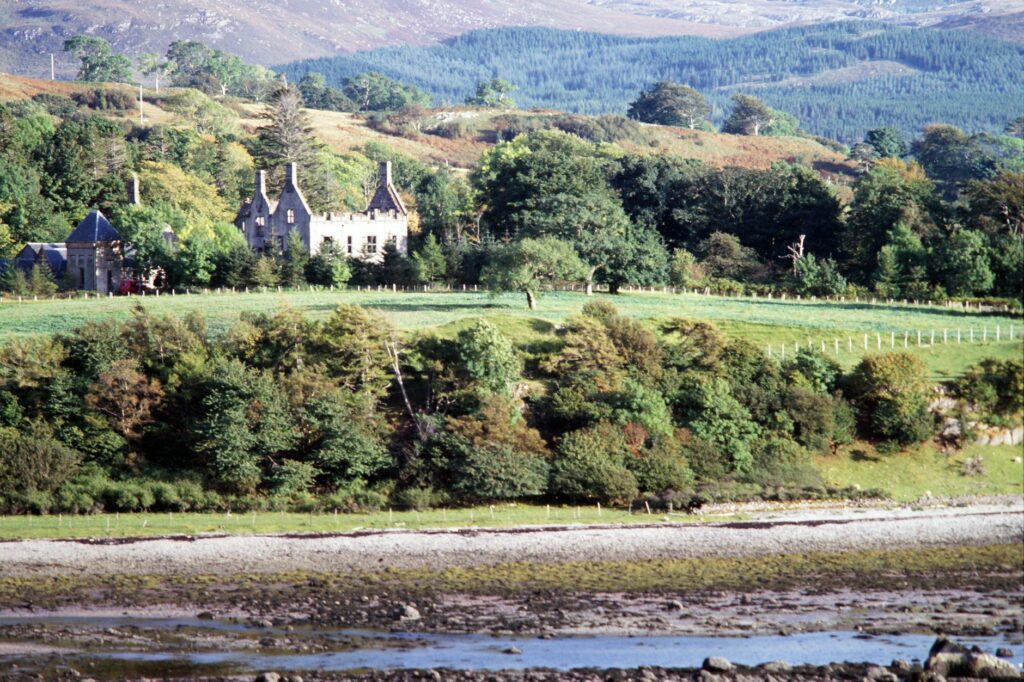
On the grounds of Overtoun House near Dumbarton, Scotland, a stone bridge crosses a wooded ravine. Its graceful arches and quiet surroundings might seem unremarkable. Yet for decades, accounts have linked the bridge to dogs that suddenly run or jump from its parapet, sometimes falling to the ground below. The reports have made Overtoun Bridge one of the world’s more unusual unsolved mysteries.
The story is often told in dramatic terms: dogs supposedly leap from the same spot, driven by an inexplicable force. But that summary compresses several different questions into one. How many incidents occurred? Were they genuinely comparable? What prompted each animal’s behaviour? And can a recurring pattern be separated from anecdote and local legend?

What is actually known
Overtoun Bridge was built in the nineteenth century as part of the approach to Overtoun House. Reports of dogs falling from it became widely discussed in the second half of the twentieth century. Some accounts describe dogs running toward the parapet and going over it, while other stories emphasize that certain incidents occurred from a particular section of the bridge. The detail that the animals were often long-nosed breeds also appears in popular retellings.
Those claims should be treated carefully. Public accounts do not amount to a complete, independently verified record of every incident. Numbers and timelines vary between tellings, and a fall does not by itself establish whether a dog jumped deliberately, slipped, or was startled. Nor does a reported concentration at one location demonstrate that all cases had the same cause.
This distinction matters because the phrase “dogs jumping from the bridge” can imply intention. Human observers may see an animal run forward and interpret the action as a deliberate leap, but an animal’s motive cannot be inferred from the movement alone. Without consistent records of the circumstances, injuries, weather, and behaviour immediately beforehand, certainty is out of reach.
Possible explanations in the landscape
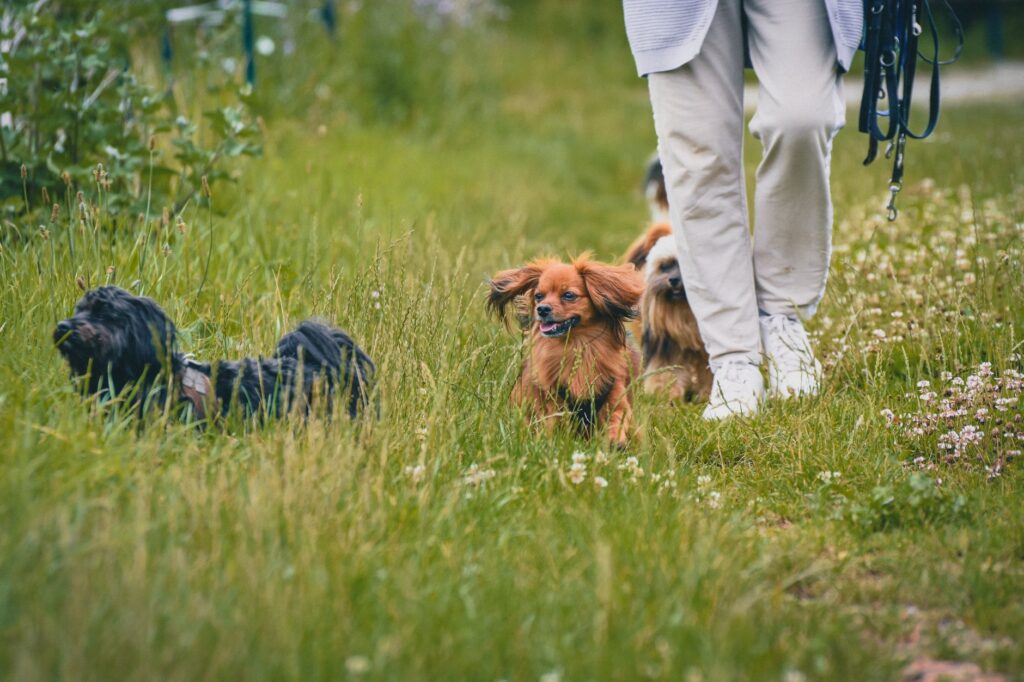
One natural explanation focuses on scent. The bridge sits beside woodland, and small mammals such as mink have been proposed as a source of smells that might attract a dog’s attention. Dogs rely heavily on scent; a compelling odour below or beyond a barrier could encourage an animal to investigate without understanding the drop. This is plausible as a general mechanism, but it has not been demonstrated as the cause of the reported incidents.
The bridge’s design and setting could also affect perception. A parapet may obscure a dog’s view of the ravine, while the approach, shadows, vegetation, or a sudden sound could influence movement. A dog that lunges toward a scent or tries to follow an animal might misjudge the distance or height. These possibilities do not require a mysterious force, but they remain hypotheses rather than a confirmed explanation for a specific case.

Other factors could include individual temperament, previous training, excitement, or the actions of a person walking the dog. A lead might restrain one animal but not another; a dog off-lead could move faster than its handler can react. Because different incidents may have had different circumstances, a single explanation may not fit every report.
How a local report becomes a mystery
Stories about unusual events change as they circulate. A memorable incident is repeated, similar stories are grouped together, and striking details become part of a shared narrative. Less dramatic visits in which nothing happens are unlikely to be recorded with the same care. This can make a rare or poorly documented pattern appear more uniform than it really is.
That does not mean the reports are fabricated or that no dogs were harmed. It means the strength of a conclusion depends on the quality of the evidence behind it. A useful investigation would need dated, independently corroborated accounts; reliable information about the dogs and their handlers; and careful examination of the physical setting. It would also need to distinguish falls from confirmed leaps and avoid treating repeated retellings as separate evidence.

Why the paranormal interpretation persists
When an event is distressing and its cause is unclear, supernatural explanations can feel emotionally satisfying. The idea that a bridge exerts an unseen influence offers a simple answer to a frightening question. But an evocative story is not evidence of paranormal activity. No reliable demonstration has established that an invisible force acts on dogs at Overtoun.
Likewise, a plausible natural theory is not automatically a solved case. The scent hypothesis may explain how a dog could be drawn toward a hazard, yet it does not confirm that a particular animal detected a particular scent. Responsible accounts preserve this uncertainty instead of presenting a possibility as a discovery.
A mystery with practical consequences
Overtoun Bridge remains compelling because the question is both specific and difficult to answer: what, if anything, made some dogs behave dangerously in this setting? The available stories suggest a phenomenon worth discussing, but they do not provide enough consistent evidence to establish one cause. The most defensible conclusion is modest: the reports are real enough to have shaped the bridge’s reputation, while their scale, circumstances, and explanation remain uncertain.
For visitors, uncertainty is no reason to take risks. Keeping dogs close and under control near the bridge and its steep surroundings is sensible, whether or not the famous accounts explain a distinct pattern. For investigators, the case offers a broader lesson about unsolved mysteries: careful observation can narrow possibilities, but a compelling narrative cannot replace systematic evidence.