Throughout modern history, few phenomena have captured human imagination quite like reported alien contact incidents. What began in late nineteenth-century regional lore has evolved into a global cultural and investigative phenomenon. Examining these accounts reveals significant insights into public fascination, psychological dynamics, and scientific inquiries regarding extraterrestrial intelligence.
The Historical Evolution of Contact Claims
Documented encounters with purported extraterrestrials predate the modern space era. One of the earliest widely circulated reports took place in 1897 in Aurora, Texas, where local accounts described a mysterious airship crashing into a windmill. The narrative alleged that the pilot was not of this Earth and was buried in the town cemetery. While historians view the incident as an early example of frontier folklore, it established a template for physical evidence claims that would recur decades later in events like the 1947 Roswell incident.
As aviation and rocketry advanced in the mid-twentieth century, the nature of these incidents shifted from mechanical craft observation to direct biological encounters.

Archetypes of the Modern Close Encounter
During the 1960s and 1970s, reports transitioned from distant aerial sightings to detailed narratives of personal interaction and abduction. Two notable cases helped define this era:
- The Hill Abduction (1961): Barney and Betty Hill reported being taken aboard an unidentified craft in rural New Hampshire. Their descriptions popularized the archetype of the “Grey alien”—hairless humanoids characterized by slender bodies, oversized craniums, and large, dark almond-shaped eyes.
- The Pascagoula Incident (1973): Fishermen Charles Hickson and Calvin Parker in Mississippi claimed to have been levitated aboard an oval craft and examined by unusual entities before being released. The case attracted widespread media attention and introduced themes of medical examination that became persistent tropes in contact narratives.
Over time, these descriptions circulated widely through television, publishing, and cinema, demonstrating how shared narrative patterns can standardize experiential reports across different regions.
Scientific Skepticism vs. Ongoing SETI Research
Mainstream scientific and academic communities approach individual contact claims with rigorous skepticism. Independent investigations into prominent contact events typically find that the evidence relies primarily on eyewitness testimony, hypnosis recovery, or misidentified natural and terrestrial phenomena rather than verifiable physical artifacts.
In astronomical and sociological research, extraordinary claims require extraordinary, reproducible evidence—a standard that historic close encounter reports have yet to meet.
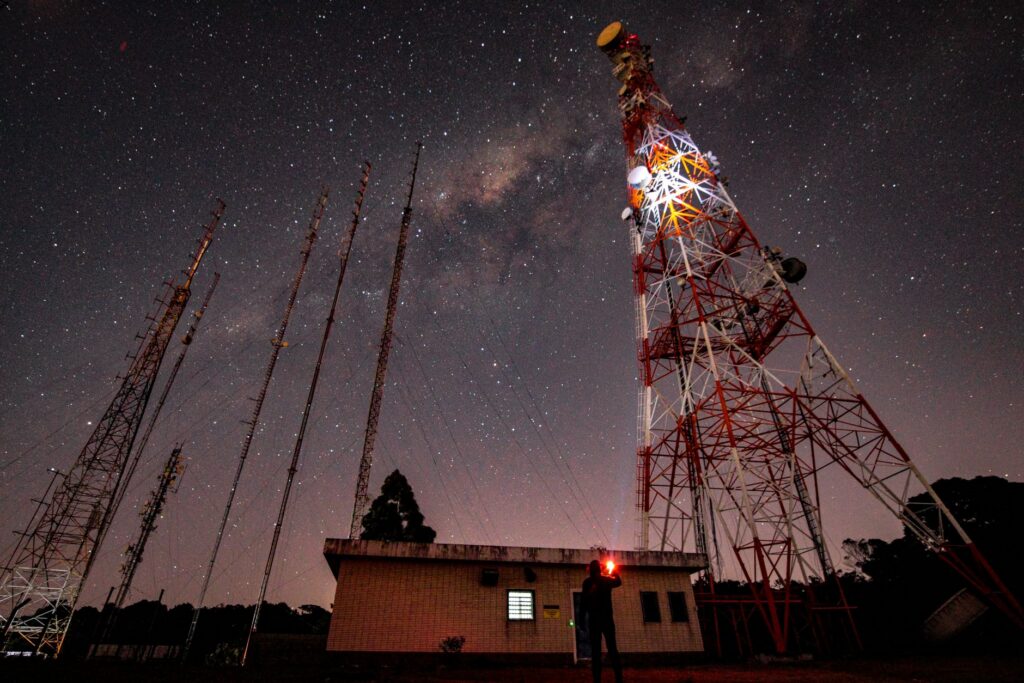
Psychologists note that sleep paralysis, suggestibility under hypnosis, and perceptual distortion in low-visibility environments explain many intimate encounter sensations. Meanwhile, the scientific search for authentic extraterrestrial contact proceeds through disciplined programs such as the Search for Extraterrestrial Intelligence (SETI), which scans the cosmos for narrowband radio transmissions and technosignatures rather than physical human visitations.
Conclusion
Whether evaluated as modern folklore, psychological anomalies, or reflections of technological anxiety, alien contact incidents occupy an enduring place in modern culture. They illuminate humanity’s persistent desire to understand our place in the universe and the ongoing boundary between verifiable science and narrative fascination.