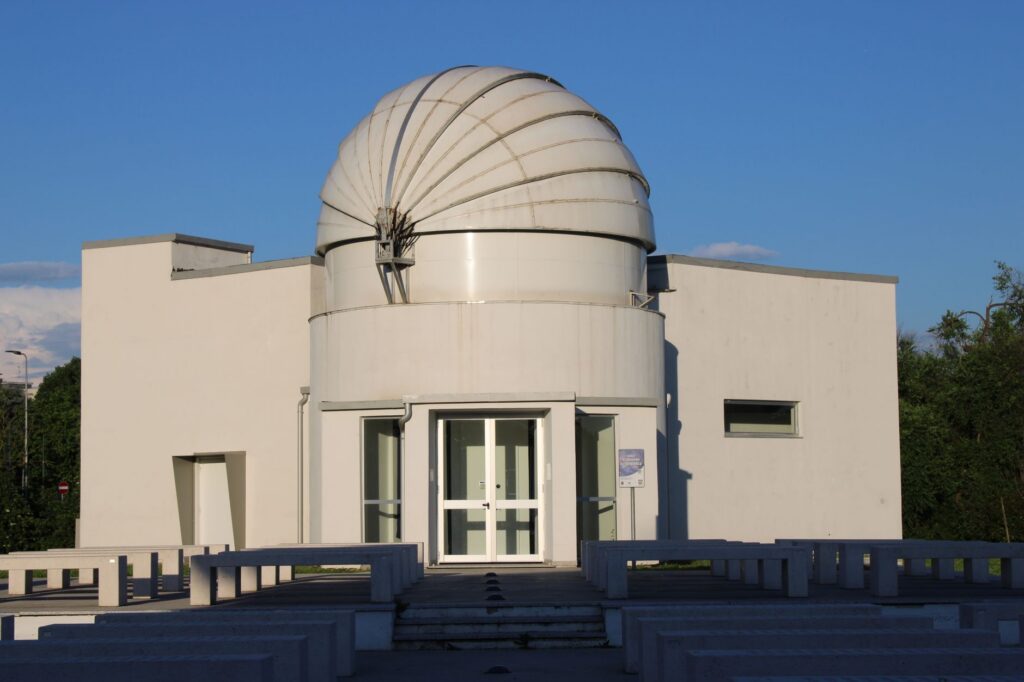
For nearly a century, the phrase “unidentified flying object” has carried substantial cultural baggage. Sparked by post-war sightings of mysterious aerial discs in the late 1940s, the concept quickly became an enduring pillar of science fiction, folklore, and countercultural speculation. However, behind the sensational headlines lies a more grounded reality: the challenge of tracking, cataloging, and interpreting anomalous objects operating across modern airspace.
Today, researchers and aviation authorities view these occurrences through a far more empirical lens. The modern conversation has moved away from speculative lore toward rigorous sensor verification, atmospheric physics, and flight safety analysis.
The Semantics of Sightings: Saucers, UFOs, and UAPs
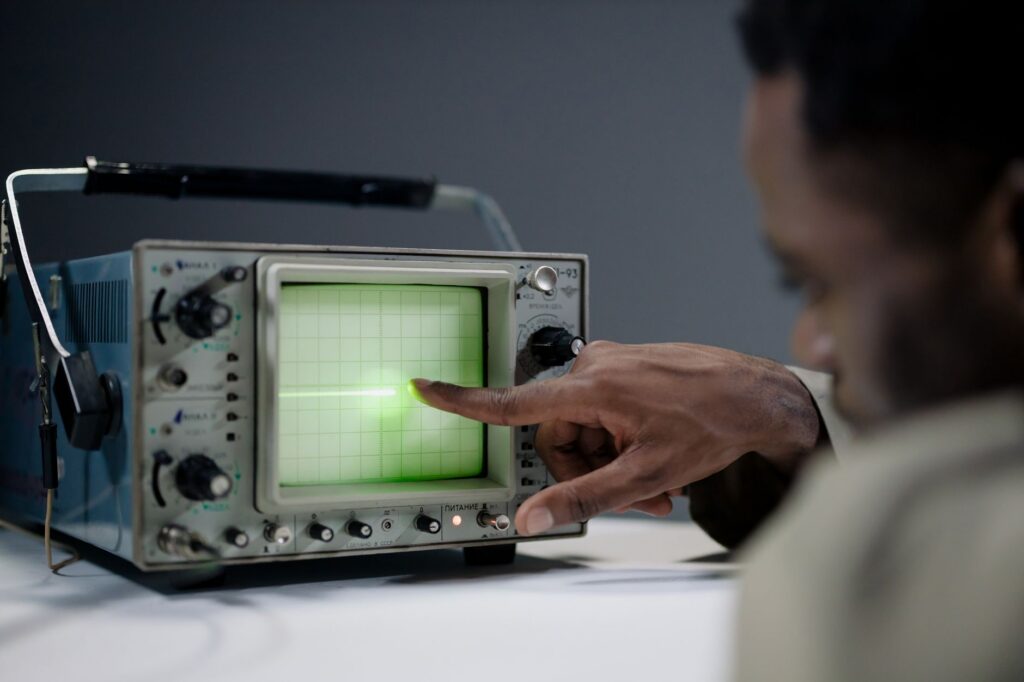
Language matters when analyzing unexplained events. In the early days of aviation reporting, the popular press seized on colorful expressions like “flying saucers,” a phrase that immediately prejudiced investigations toward extraterrestrial assumptions. To strip away cinematic bias, military and aviation officials subsequently introduced the term “unidentified flying object” (UFO) to designate any airborne target that could not be readily correlated with known aircraft or natural phenomena.
In recent years, institutional researchers have adopted “unidentified anomalous phenomena” (UAP). This semantic shift reflects an expanded operational domain. Modern reporting includes observations that transition between different environments—such as high altitudes, maritime surfaces, and subsurface marine zones—where conventional aerodynamic models do not readily apply.
Sensors, Optics, and Calibration Artifacts
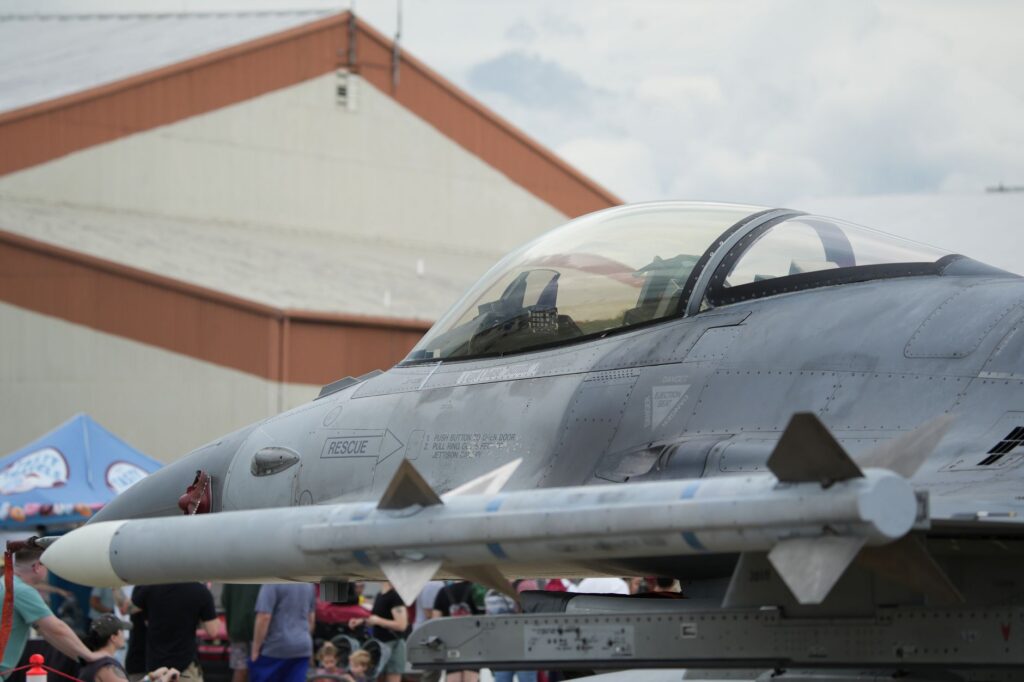
The vast majority of documented encounters originate from advanced electro-optical and radar systems deployed on military aircraft or reconnaissance platforms. While modern sensor suites provide extraordinary fidelity, they also introduce complex diagnostic challenges.
Many puzzling signatures can be traced directly to optical or software phenomena rather than exotic propulsion systems:
- Parallax Effects: When an aircraft travels at high speed, stationary or slow-moving objects below can appear to traverse the landscape at impossible velocities due to geometric perspective.
- Gimbal Artifacts: Tracking sensors mounted in rotating pods can produce rotational motion on recorded video that reflects the mechanical movement of the housing rather than the target itself.
- Infrared Glare: Distant engine exhaust or thermal blooms can saturate infrared focal plane arrays, obscuring the physical geometry of an ordinary craft and rendering it as an amorphous blob.
Separating Conventional Phenomena from True Anomalies
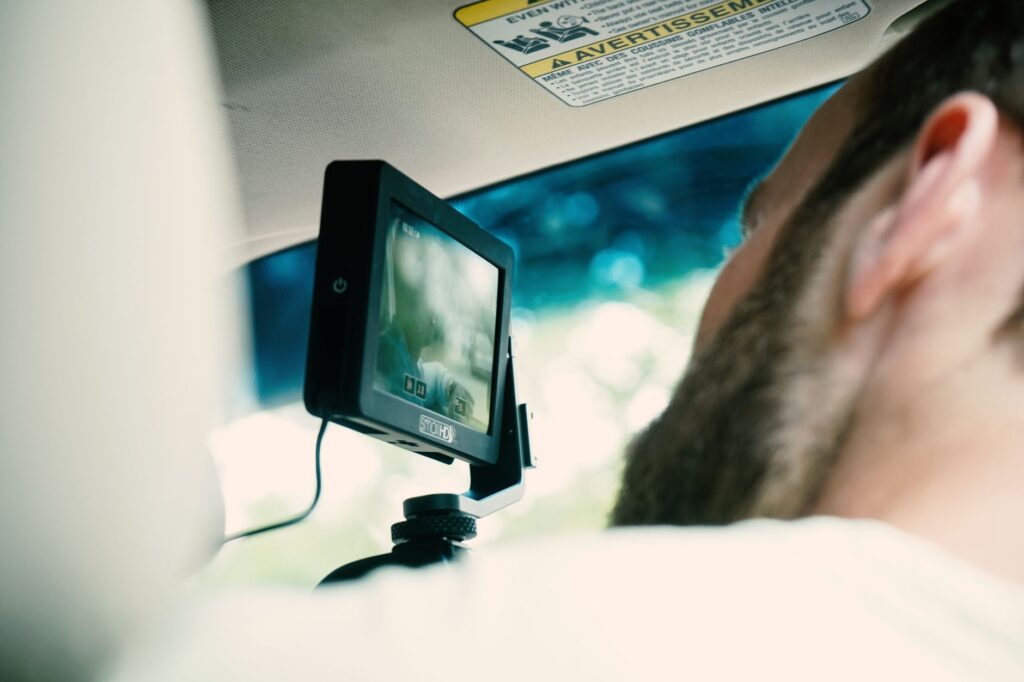
When systematic investigations assess aerial reports, the majority of cases resolve into identifiable sources once adequate telemetry is acquired. Commercial drone technology has proliferated exponentially, populating lower airspace with consumer quadcopters and custom loitering platforms that exhibit flight profiles unfamiliar to commercial pilots.
Atmospheric research instruments represent another recurring source of false alarms. Weather balloons, radiosondes, and high-altitude research platforms operate at altitudes exceeding 60,000 feet, often drifting silently along prevailing wind vectors. Coupled with unusual lighting conditions—such as low-angle sunlight reflecting off mylar envelopes at dawn or dusk—these passive instruments can easily mimic luminous craft.

Nevertheless, a small percentage of documented cases retain anomalous characteristics after known optical, mechanical, and meteorological explanations are exhausted. These persistent outliers typically exhibit high-speed maneuvering without visible flight-control surfaces, sustained trans-medium transitions, or radar signatures inconsistent with contemporary aerodynamic limits.
A Framework for Future Sky Surveys
To resolve the ambiguity surrounding unexplained sky phenomena, the scientific community emphasizes the need for calibrated, multi-sensor data collection. Relying exclusively on eyewitness pilot accounts or compressed cockpit video often leaves crucial analytical gaps.
“Without synchronized multi-spectral radar, optical tracking, and environmental data, even the most striking observation remains an unresolvable anecdote.”
Future monitoring efforts rely increasingly on dedicated optical sky-mapping networks, wide-band radio frequency detectors, and automated machine-learning algorithms capable of filtering bird flocks, space debris re-entries, and aircraft reflections in real time. By replacing subjective observation with open, standardized telemetry, science can systematically isolate genuine physical anomalies from ordinary aerospace clutter.