Our planet presents a remarkable tapestry of dynamic processes governed by well-understood physical, chemical, and biological laws. Yet, despite centuries of rigorous scientific observation, the natural world continues to harbor occurrences that elude definitive explanation. These phenomena exist at the peripheries of established disciplines, reminding researchers that our empirical map of the biosphere and geosphere remains incomplete. Far from being supernatural anomalies, these puzzles challenge our current instruments and theoretical models, driving the evolution of Earth systems science.
Luminous Atmospheric Enigmas
The atmosphere is a dynamic laboratory of electrodynamic and thermodynamic interactions. While meteorology has deciphered lightning, auroras, and cloud genesis, certain luminous phenomena remain resistant to comprehensive modeling. Chief among these is ball lightning—a spherical, glowing entity observed during severe thunderstorms that can persist for several seconds, hover, and drift through solid barriers before quietly dissipating or violently exploding.
Laboratory attempts to replicate ball lightning through silicon vaporization or plasma containment have achieved partial success, yet a universal consensus on its sustained energy source remains elusive. Similarly, localized phenomena such as the Hessdalen lights in Norway continue to puzzle geophysicists. These transient, self-luminous aerial displays show complex movement and spectral variations, prompting hypotheses ranging from ionized radon decay to piezoelectric discharges along fault lines.

The Deep Ocean and Subterranean Frontiers
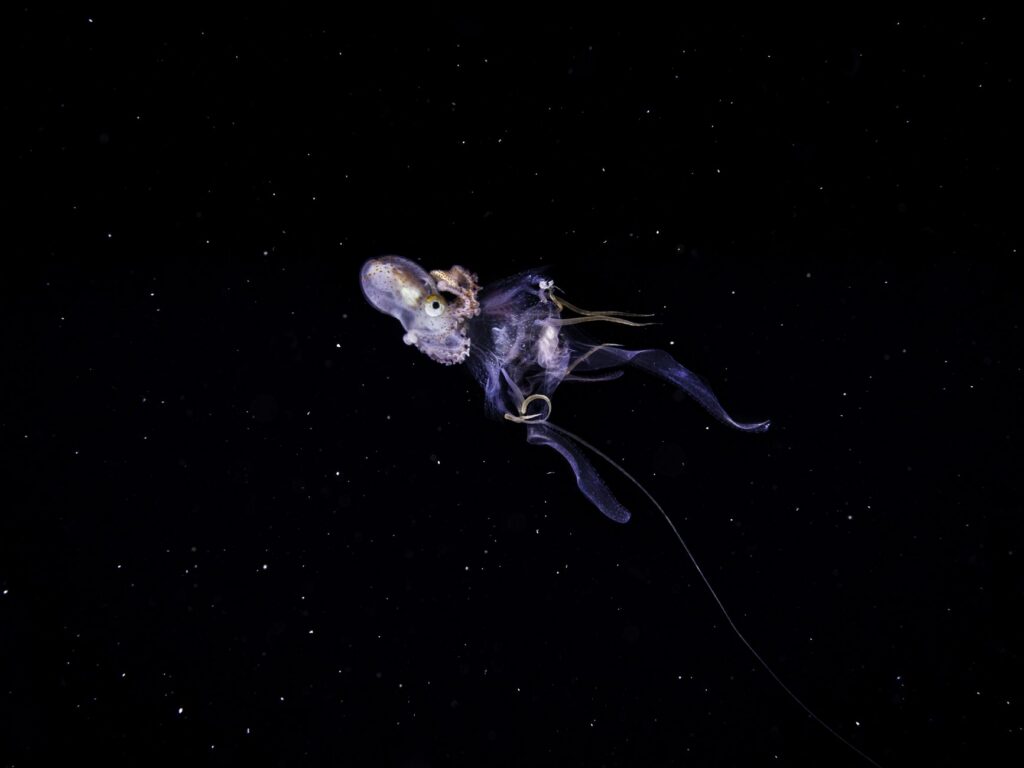
Covering more than seventy percent of the globe, the oceans constitute the least charted habitat on Earth. The extreme pressures, total darkness, and vast volumes of the abyssal and hadal zones create environments that are exceptionally difficult to monitor systematically.
Hydroacoustic networks deployed over recent decades have recorded mysterious low-frequency acoustic signals traversing thousands of kilometers of ocean basins. While some signatures, once deemed anomalous, were eventually matched to ice calving or subterranean seismic shifts, others continue to recur with seasonal regularity and unknown origins. Furthermore, deep-sea exploration consistently uncovers biological ecosystems surviving under geochemical conditions previously assumed impossible:
- Chemosynthetic extremophiles thriving around hydrothermal vents without any dependence on solar energy.
- Sub-seafloor microbial life existing in metabolic states so slow that cellular turnover spans centuries or millennia.
- Anomalous pelagic biomass detected by sonar scattering layers that display synchronized vertical migrations whose ecological triggers remain partially understood.
Biological Coordination and Navigation Paradigms
Nature also presents profound puzzles within the organic realm. Consider the collective motion seen in starling murmurations or vast schools of pelagic fish. Thousands of distinct organisms change direction nearly instantaneously without centralized leadership or physical collisions. While computational models invoke decentralized algorithmic rules—such as alignment, cohesion, and separation—the precise biomechanical and sensory bandwidth enabling sub-millisecond response times across sprawling populations remains an active area of neurobiological inquiry.
“Every advance in ecological and organismal biology reveals that sensory systems perceive only a fraction of the environmental signals circulating in natural habitats.”
Similarly, long-distance animal navigation presents enduring questions. Species such as the monarch butterfly, bar-tailed godwit, and green sea turtle navigate thousands of kilometers across unfamiliar terrain with pinpoint accuracy. Scientists have confirmed the involvement of magnetoreception—often linked to cryptochrome proteins in avian retinas or magnetic iron minerals in cellular tissue. However, how these subtle quantum-level magnetic sensations integrate with olfactory maps, celestial cues, and atmospheric pressure trends to form a cohesive navigational cognitive map is still not fully resolved.
Advancing Frontiers Through Modern Sensor Science
The boundary between the inexplicable and the understood is constantly shifting. The emergence of multi-spectral satellite constellations, autonomous underwater vehicles, and advanced sensor platforms has transformed our capacity to collect continuous, high-fidelity empirical data. Machine learning architectures now assist researchers in identifying subtle patterns within massive geophysical datasets that human analysts might miss.
Ultimately, investigating these unresolved phenomena does not diminish the wonder of the natural world; rather, it elevates it. The mysteries of nature are not impassable obstacles, but invitations to refine our instruments, expand our theoretical models, and deepen our appreciation for the intricate, self-regulating systems of our planet.