The Architecture of the Unknown: What Constitutes a Historical Mystery?
History is rarely a neat, contiguous tapestry; rather, it is a mosaic fractured by time, political disruption, and the natural decay of physical records. At the intersection where preserved documentation ends and speculation begins lies the domain of the historical mystery. These enigmas encompass a vast spectrum of unanswered questions: vanished civilizations whose societal infrastructure collapsed without an unambiguous paper trail, cryptic artifacts that defy linguistic decipherment, and unsolved crimes or disappearances of prominent historical figures. Far from being mere fodder for folklore, historical mysteries serve as vital benchmarks for historiographical research, challenging historians and archaeologists to extract truth from silence.
Unlike contemporary mysteries, which often depend on immediate forensic evidence and living witness testimony, historical puzzles require an investigative framework grounded in temporal distance. The clues are frequently incomplete, filtered through the biases of ancient chroniclers, or obscured beneath layers of geological sediment. Consequently, solving—or even systematically framing—a historical enigma demands a multidisciplinary synthesis of classical philology, stratigraphy, archival science, and modern digital forensics.
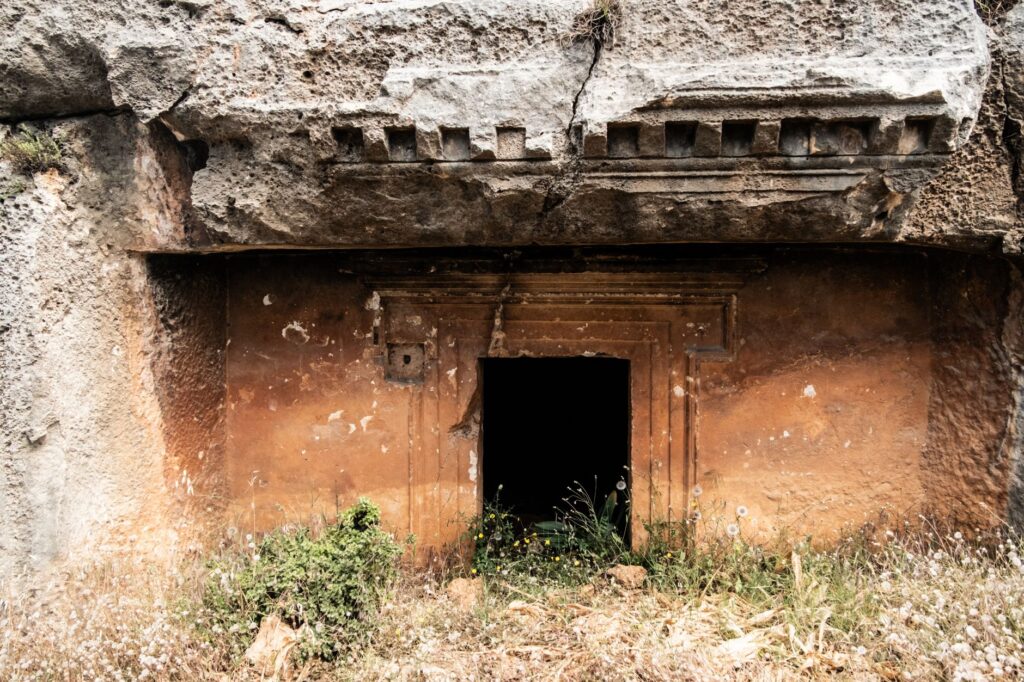
Categorizing the Enigma: From Lost Peoples to Cryptic Relics
To comprehend the scope of historical mysteries, scholars generally divide them into thematic domains based on the nature of the missing evidence. Each category presents unique methodological hurdles and reveals different aspects of human vulnerability across the centuries.
1. Sudden Collapses and Disappearing Settlements
Among the most haunting historical questions are those surrounding communities that vanished abruptly from the historical record. The late Bronze Age collapse (circa 1200 BCE) saw the simultaneous destabilization of advanced Mediterranean empires, including the Mycenaeans and the Hittites, an event whose multifaceted catalysts—ranging from seismic events to migrating maritime raiders—remain fiercely debated. Similarly, the disappearance of the Roanoke Colony in North Carolina during the late 16th century represents one of the enduring enigmas of early Atlantic colonization. While hypotheses range from integration into local indigenous populations to starvation and regional conflict, the absence of conclusive primary artifacts ensures that Roanoke remains an open file in colonial historiography.
2. Inscrutable Inscriptions and Undeciphered Scripts
Language is the primary vessel through which civilizations articulate their inner lives. When written records survive but cannot be read, the mystery deepens into an intellectual stalemate. The Indus Valley Civilization, which thrived between 2600 and 1900 BCE across modern-day Pakistan and northwest India, left thousands of short inscriptions that remain unreadable due to the lack of a bilingual key comparable to the Rosetta Stone. Similarly, the Voynich Manuscript—an illuminated codex carbon-dated to the early 15th century—continues to confound cryptographers and linguists with its bizarre botanical illustrations, astrological diagrams, and an otherwise unrecorded script that defies standard statistical patterns of known languages.
3. The Fate of Royalty and Political Dissidents
Power struggles throughout antiquity and the medieval era frequently produced ambiguities intentionally cultivated by political victors. The disappearance of the “Princes in the Tower”—Edward V and his brother Richard, Duke of York—in 1483 after being lodged in the Tower of London by their uncle, later Richard III, remains one of English history’s most debated cold cases. With contradictory propaganda emerging under the Tudor dynasty and skeletal remains discovered centuries later lacking conclusive genetic verification, the case highlights how political transition often deliberately erases the boundary between recorded fact and constructed narrative.
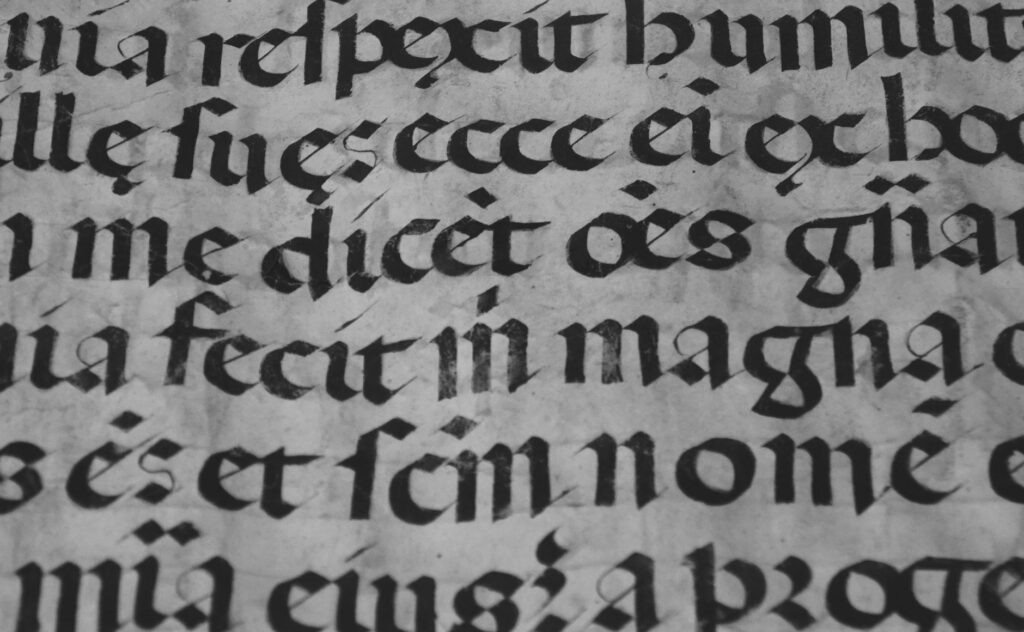
The Technological Revolution in Historical Detective Work
While centuries of antiquarians relied largely on deduction and comparative literature, the 21st century has introduced transformative scientific tools that are fundamentally altering our approach to historical mysteries. Modern investigation has moved beyond the armchair historian, relying on laboratory instrumentation and remote sensing to illuminate obscured epochs.
- Paleogenomics and Ancient DNA (aDNA): High-throughput genetic sequencing can now extract degraded genetic material from thousands of years old skeletal remains. This discipline has resolved long-standing questions regarding prehistoric human migration, mass graves, and kinship among excavated historical nobility.
- LiDAR (Light Detection and Ranging): Airborne laser scanning strips away dense jungle canopies and surface vegetation, revealing previously undetected urban networks. Archaeological projects in Mesoamerica and Southeast Asia have utilized LiDAR to reveal that ancient settlements were far more vast and populated than previously documented.
- Radiocarbon Calibration and Isotope Analysis: Accelerator mass spectrometry offers precise chronologies, while strontium isotope analysis of human teeth and bone tissue pinpoints geographical origins, illuminating the movement of individuals across ancient trade corridors.
- Multispectral Imaging and Machine Learning: Charred scrolls, faded palimpsests, and deteriorated papyri—such as the Herculaneum papyri carbonized by Mount Vesuvius—are now being digitally unrolled and read using non-invasive X-ray tomography and computer vision algorithms.
“The past does not alter its secrets voluntarily; rather, our capacity to extract answers is entirely constrained by the sensitivity of the instruments we bring to bear on the silence of antiquity.”
These technological strides underscore a vital truth: an unsolved case in history is not necessarily permanently impenetrable. An enigma that withstands decades of conventional literary analysis may unravel swiftly when exposed to emerging physical and chemical methodologies.
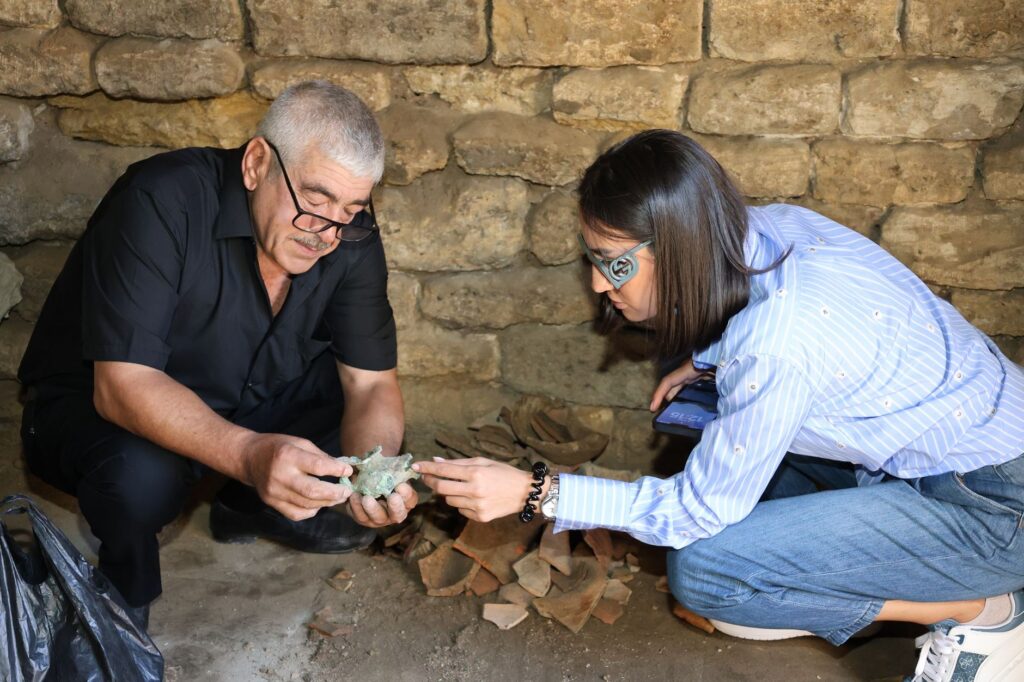
The Interplay Between History, Fiction, and Collective Imagination
The concept of the historical mystery extends beyond strictly academic circles; it occupies a unique position in cultural fiction. The historical whodunit—formalized as a distinctive literary subgenre in the late 20th century through works such as Ellis Peters’s Cadfael Chronicles and Umberto Eco’s The Name of the Rose—demonstrates our impulse to impose structure and resolution on the past. In fiction, the historical investigator operates within rigorously recreated period constraints, navigating religious dogmas, early legal systems, and pre-modern forensics to achieve an intellectual closure that real-world history often denies us.
This cultural fascination reveals a profound psychological dimension: human beings possess an innate aversion to informational voids. When historical records are severed, mythological frameworks and sensationalist narratives often rush in to fill the vacuum. Rigorous historical study serves as the counterweight to this impulse. By treating historical mysteries with methodical skepticism, scholars remind us that “we do not know” is an intellectually honest, scientifically robust conclusion, far preferable to unsubstantiated certainty.
The Enduring Horizon of the Past
Ultimately, historical mysteries challenge the illusion that modern civilization possesses an exhaustive chronicle of its own trajectory. They remind us that human survival, migration, political intrigue, and philosophical developments have frequently hung on precarious threads, preserved only by chance conditions of geology, climate, and human intent. As new analytical tools continue to emerge, many historical enigmas will undoubtedly be brought into sharper focus, while others will resist resolution indefinitely. In either scenario, the pursuit of the historical mystery remains an essential vehicle for understanding not only who came before us, but how we evaluate truth in the face of partial silence.