A report near two air bases
In the early hours of December 26, 1980, U.S. military personnel stationed at RAF Woodbridge in Suffolk, England, reported unusual lights near the base perimeter. The episode later became known as the Rendlesham Forest incident, after the nearby woodland where some of the witnesses said the lights appeared to descend.
The bases, Woodbridge and RAF Bentwaters, were used by the United States Air Force under an arrangement with the British government. Reports emerged over several nights, but accounts differ about exactly what each person saw and when. That variation matters: the incident is not a single observation with one settled description, but a sequence of reports assembled from witness recollections and official records.
What witnesses said they saw
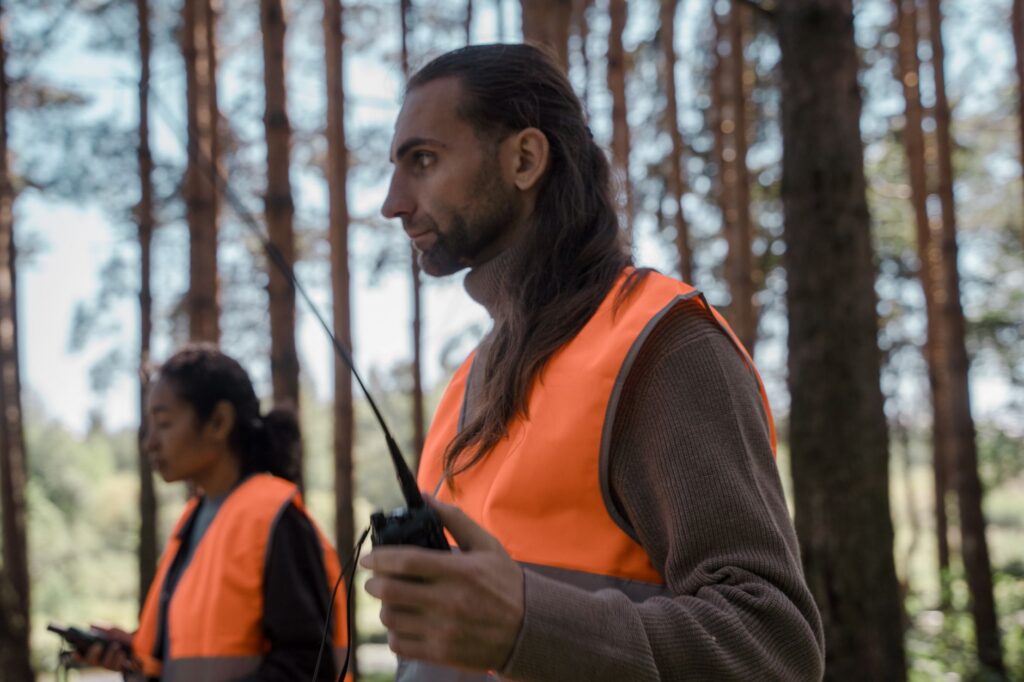
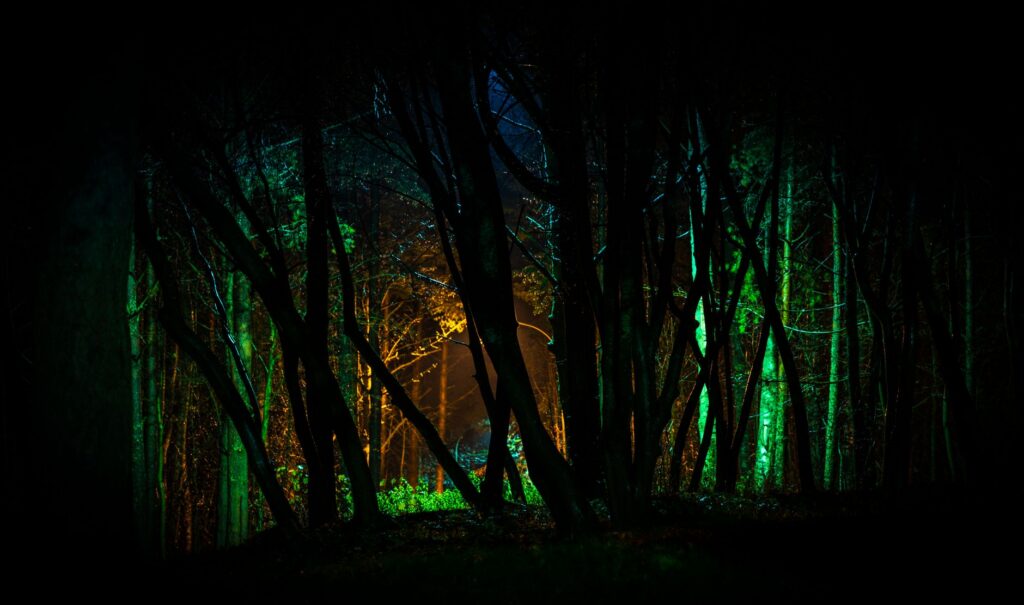
According to accounts from the first night, a security patrol noticed lights beyond the eastern gate. A small group went into the forest to investigate. Some described a glowing object or bright light among the trees; others reported a light moving through the area. The witnesses did not all observe the same details, and the conditions were dark, making distance, size, and shape difficult to judge.
Further reports followed on subsequent nights. The most widely cited account came from Lieutenant Colonel Charles Halt, deputy base commander, who led a party into the area on December 28. Halt later wrote a memorandum describing lights in the sky and an apparent object in the distance. He also recorded an audio tape during the investigation, which captured his observations and the group’s discussion as events unfolded.
Records, impressions, and physical traces
The Halt memorandum and tape are important because they were created close to the time of the events. They document what the group believed it was observing, but they do not independently establish that an extraterrestrial craft was present. A recording can preserve a witness’s reactions without resolving what produced the light.
Investigators and later commentators have also discussed marks on the ground and readings said to show elevated radiation. The existence and meaning of these details have been contested. Even if marks or unusual readings were recorded, they would need reliable measurement records, a clear comparison with the surrounding area, and a plausible connection to the lights before they could identify a cause.
Possible explanations and the lighthouse
One proposed explanation for at least some of the lights is the nearby Orford Ness lighthouse. Its beam could appear through trees and change position as observers moved or as the beam swept across the landscape. This may account for certain distant lights, but it does not automatically explain every part of every witness account.
Other explanations include misidentified stars or aircraft, ordinary lights viewed under confusing conditions, and errors in estimating distance and movement at night. These possibilities are not proof that the witnesses were careless or dishonest. Human perception is particularly vulnerable to uncertainty when a bright point of light is seen against a dark background, with few familiar landmarks available for comparison.
Why the story remains unsettled
The incident has endured partly because it combines military witnesses, contemporary documentation, and an unusual setting. Yet those features do not amount to confirmation of alien contact. The records establish that personnel reported unusual lights and investigated them; they do not provide a verified image, recovered craft, or independently confirmed evidence identifying an extraterrestrial source.
Later retellings have sometimes blended separate nights and different witnesses into one dramatic encounter. A careful reconstruction keeps the reports distinct, gives greater weight to material produced at the time, and separates direct observation from later interpretation. It also acknowledges that the surviving evidence has limits: the written account and tape preserve impressions, not a controlled investigation capable of identifying every light.
What the case can—and cannot—show
Rendlesham is best understood as a documented but unresolved series of sightings near two air bases, rather than as a proven landing or a confirmed extraterrestrial visit. The incident illustrates how an event can acquire a powerful public identity even when its central physical cause remains uncertain.
That distinction does not make the case uninteresting. It makes the questions more precise: which observations belong to which night, what could witnesses actually see, and which explanations fit the contemporary records? Those questions offer a firmer basis for understanding the incident than treating uncertainty itself as evidence of alien contact.