A disappearance at the heart of a succession crisis
In the summer of 1483, two royal boys entered the Tower of London and vanished from the historical record. Edward V, about twelve, had been king for only a short time. His younger brother, Richard of Shrewsbury, Duke of York, joined him there later. Neither was publicly seen again. Their disappearance became one of England’s most enduring historical mysteries because it occurred amid a struggle for the crown, leaving political motive easy to imagine but direct proof difficult to find.
The story is often reduced to a question: did Richard III order the princes’ deaths? That framing makes for a compelling whodunit, but it can conceal what historians can establish. The princes’ fate is uncertain; the chain of events around them is clearer, though still incomplete.
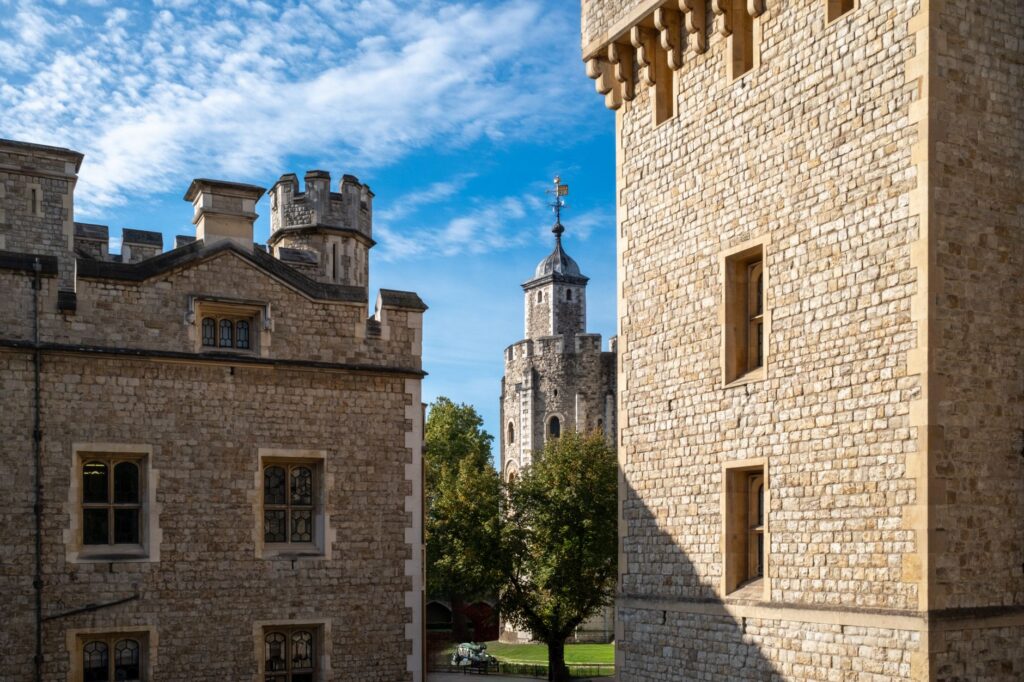
How the boys came to be confined
Edward IV died in April 1483. His elder son succeeded him as Edward V, while his uncle Richard, Duke of Gloucester, was appointed protector during the king’s minority. Edward travelled toward London and stayed at the Tower, then a royal residence as well as a fortress. Richard of York was brought there in June.
The arrangement changed rapidly. Richard took control of the government, and in June a church court declared Edward IV’s marriage invalid, making his children illegitimate and ineligible to inherit. Parliament later formalized the claim that Richard was the rightful king; he was crowned Richard III in July. The princes remained in the Tower. Reports that they had been seen less often, and then not at all, fed public anxiety, but surviving contemporary evidence does not provide a definitive account of their final days.
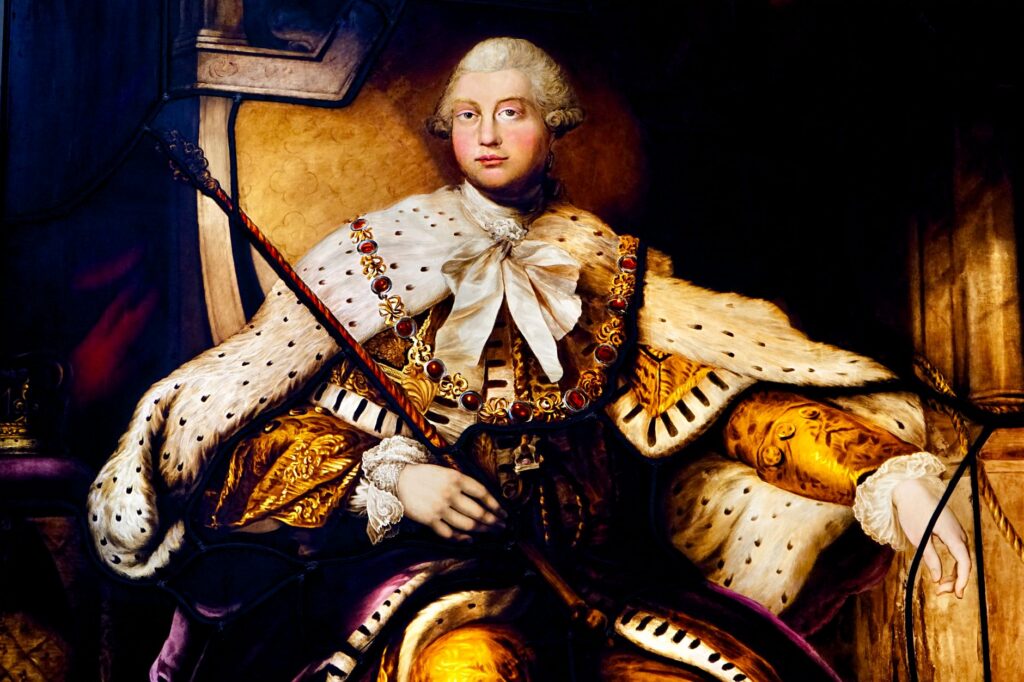
What the accounts do—and do not—prove
Several writers described the disappearance, but their accounts differ in timing, detail, and proximity to events. The most influential narrative was written by Thomas More, probably in the early sixteenth century. More recounts a murder ordered by Richard and carried out by hired men. His account is vivid, yet it was composed after Richard’s fall and does not identify a verifiable eyewitness source. It cannot simply be treated as a neutral record.
Other accounts and later chronicles preserve suspicions that the boys were dead, but suspicion is not confirmation. The absence of a public appearance is important evidence: it makes survival less likely as time passed, but it does not identify who acted, when, or by what means. Nor does political advantage alone establish responsibility. Richard had a plausible motive to remove rival claimants, while other figures in the turbulent succession struggle could also have benefited from the princes’ disappearance.
The bones in Westminster Abbey
In 1674, workmen at the Tower reportedly found a wooden chest containing the skeletons of two children beneath a staircase. The remains were later placed in an urn at Westminster Abbey, where they were identified at the time as those of the princes. Their location and age have encouraged that identification, but it has never been conclusively established through modern scientific testing. The bones have not been subjected to a publicly confirmed DNA analysis capable of settling the question.
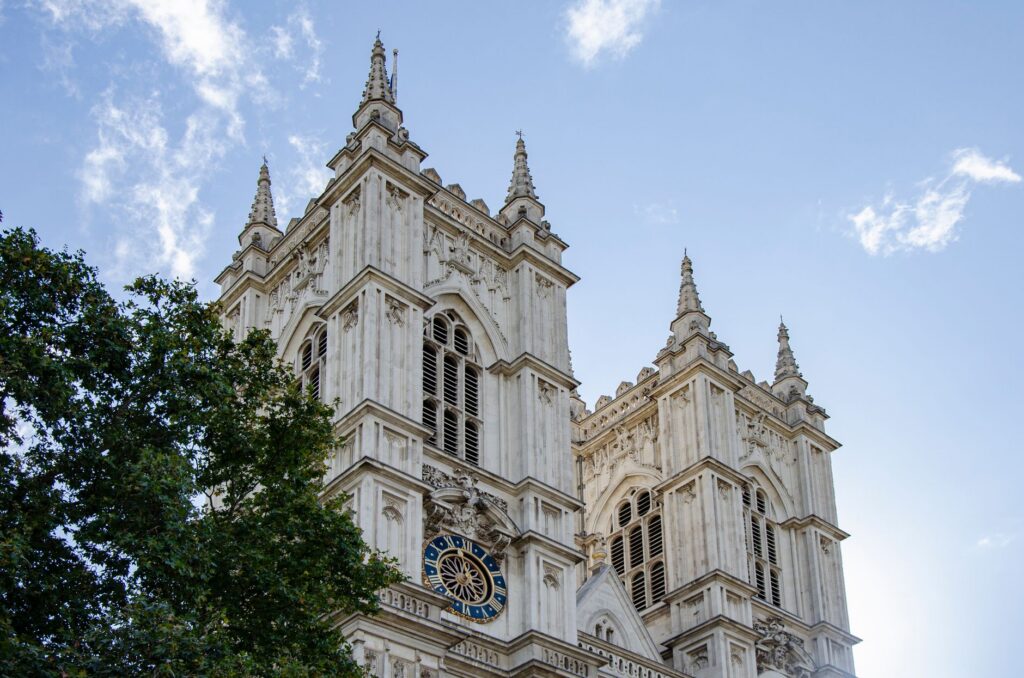
The remains therefore offer a possible clue, not a final answer. Their identification depends on historical context and interpretation, while destructive or intrusive examination raises ethical and practical questions. Even if the bones were confirmed as the princes’, that would establish their deaths, not the identity of the person responsible.
Why the mystery persists
The case endures because the evidence is uneven: a well-documented political upheaval surrounds a poorly documented disappearance. Later writers have shaped public memory, and portraits, monuments, and dramatic retellings can make uncertain details feel settled. Careful inquiry instead separates established events from plausible inferences and unsupported certainty.
Richard III remains the leading suspect in many accounts, largely because he controlled the princes and stood to gain from their removal. Yet the surviving record does not conclusively prove that he ordered their deaths, and alternative explanations cannot be demonstrated either. The most responsible conclusion is narrower: the boys disappeared during a power struggle, were never reliably accounted for afterward, and may be represented by the remains found in the Tower centuries later. The mystery is not a puzzle waiting for one clever deduction; it is a reminder of how political violence can leave history with motive, rumor, and an absence where proof should be.