The Many Faces of a Program
The word program appears everywhere: in computer science, education, government, and even entertainment. Yet its core meaning remains consistent — a structured sequence of instructions or activities designed to achieve a specific outcome. Whether it runs on a silicon chip or in a community center, a program provides order, repeatability, and a clear path from intention to result.
This article examines the program from multiple angles. We will start with the technical definition that underpins modern software, then broaden the lens to see how the same logic applies to social and organizational contexts. Along the way, we will clarify common misconceptions and highlight why understanding programs is more relevant than ever.
The Technical Definition: Instructions for a Machine
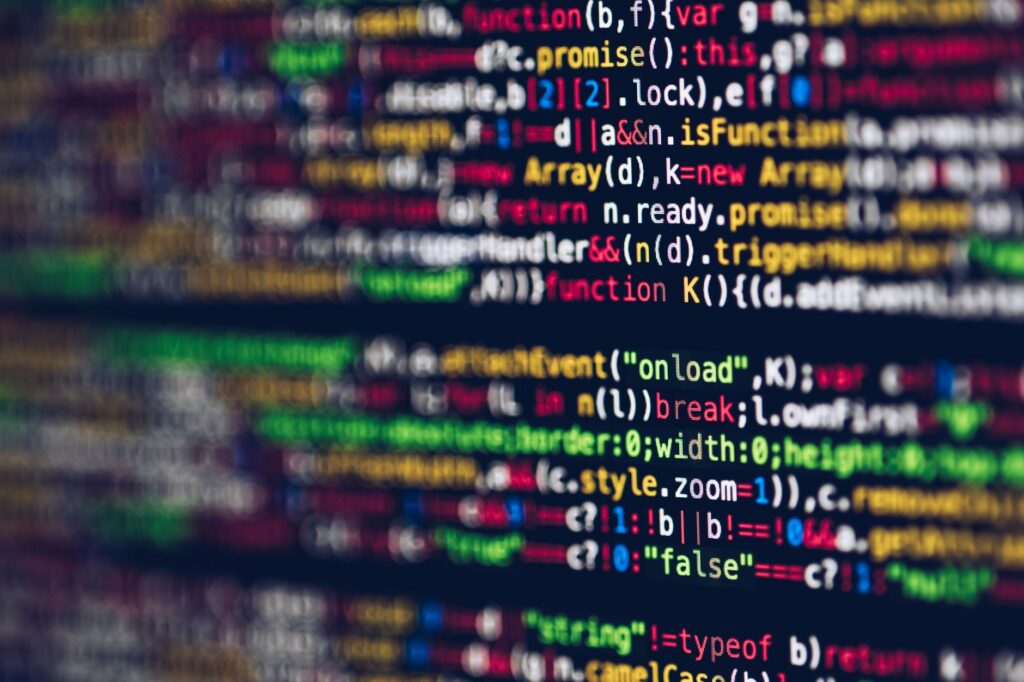
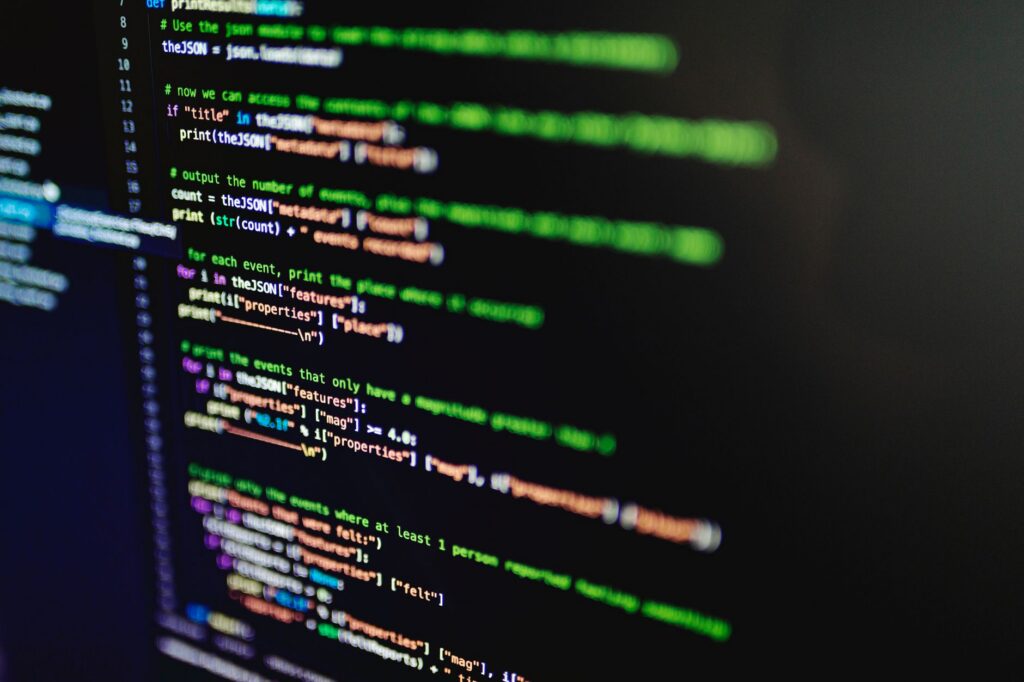
At its most fundamental level, a computer program is a sequence of instructions written in a programming language. These instructions tell a computer what operations to perform — from simple arithmetic to complex data processing. A program is one component of software, which also includes documentation and other intangible assets that support its use.
In its human-readable form, a program is called source code. Because computers can only execute native machine instructions, source code must be translated. This translation happens through a compiler or an assembler, producing an executable file. Without this step, the program remains a set of ideas rather than a working tool.
The gap between human-readable code and machine-executable instructions is bridged by translation tools — a reminder that abstraction is central to computing.
Programs can be small — a few lines that calculate a sum — or massive, spanning millions of lines across distributed systems. Regardless of size, they share a common trait: they encode logic that a machine can follow deterministically. This determinism is what makes programs reliable, but it also means that errors in the logic can lead to unexpected outcomes.
From Code to Action: How Programs Execute
Execution is not a single event but a process. When a program runs, the computer fetches instructions, decodes them, and performs the required operations. This cycle repeats rapidly, often millions of times per second. Modern operating systems manage multiple programs simultaneously, allocating resources and ensuring that each gets its turn.
There are different execution models. Some programs are compiled ahead of time into machine code, while others are interpreted line by line at runtime. Each approach has trade-offs in speed, flexibility, and portability. For example, interpreted languages allow quicker iteration during development, while compiled languages often deliver better performance in production.
Understanding execution helps explain why programs sometimes behave unexpectedly. A logic error, a resource conflict, or an unhandled edge case can cause a program to fail. Debugging is the systematic process of finding and fixing these issues — an essential skill for anyone who writes or maintains code.
The Program Beyond Computing: Social and Organizational Parallels
The concept of a program is not limited to computers. In education, a program outlines a course of study. In public health, a program coordinates vaccination efforts. In the arts, a program lists the pieces to be performed. In each case, the program serves as a structured plan that guides action toward a goal.
This broader usage reveals a shared logic: a program defines what will be done, how it will be done, and often when it will happen. It creates accountability and enables coordination among many participants. Without a program, efforts can become fragmented or redundant.
Consider a community literacy program. It might include a curriculum, trained instructors, scheduled sessions, and assessment methods. Like a computer program, it has inputs, processes, and outputs. And like any program, it can be improved through feedback and iteration.
Why Programs Matter in a Complex World
In an era of rapid technological change, programs — both digital and social — help us manage complexity. They provide repeatable frameworks that can be scaled, audited, and refined. They also enable collaboration: a well-designed program allows different people or systems to work together toward a common objective.
However, programs are not infallible. A poorly designed program can waste resources or produce harmful side effects. A rigid program may fail to adapt to changing conditions. The key is to treat programs as living artifacts that require review, testing, and occasional redesign.
- Clarity: A good program has clear objectives and well-defined steps.
- Flexibility: It can accommodate unexpected inputs or changing circumstances.
- Measurability: Its outcomes can be assessed against defined criteria.
Whether you are writing code, launching a community initiative, or planning an event, thinking in terms of programs can bring structure and purpose to your work. The concept is simple, but its applications are remarkably diverse.
Conclusion: The Program as a Universal Framework
The program is both a technical artifact and a universal framework for organized action. From the instructions that power our devices to the initiatives that shape our communities, programs help us turn intention into outcome. By understanding what a program is and how it works, we gain a powerful lens for analyzing and improving the systems around us.