A settlement left without its governor
In the summer of 1587, more than a hundred English settlers arrived on Roanoke Island, off the coast of what is now North Carolina. They came with a plan to establish a permanent English presence in the region. Among them were families and children, and the group included Virginia Dare, born on the island that August. The settlement was not the first English attempt in the area, but it became the most enduring mystery.
The colony’s governor, John White, sailed back to England later that year to obtain supplies. The journey was meant to be temporary. Instead, England’s conflict with Spain delayed his return, and he did not reach Roanoke again until 1590. By then, the settlers had disappeared.
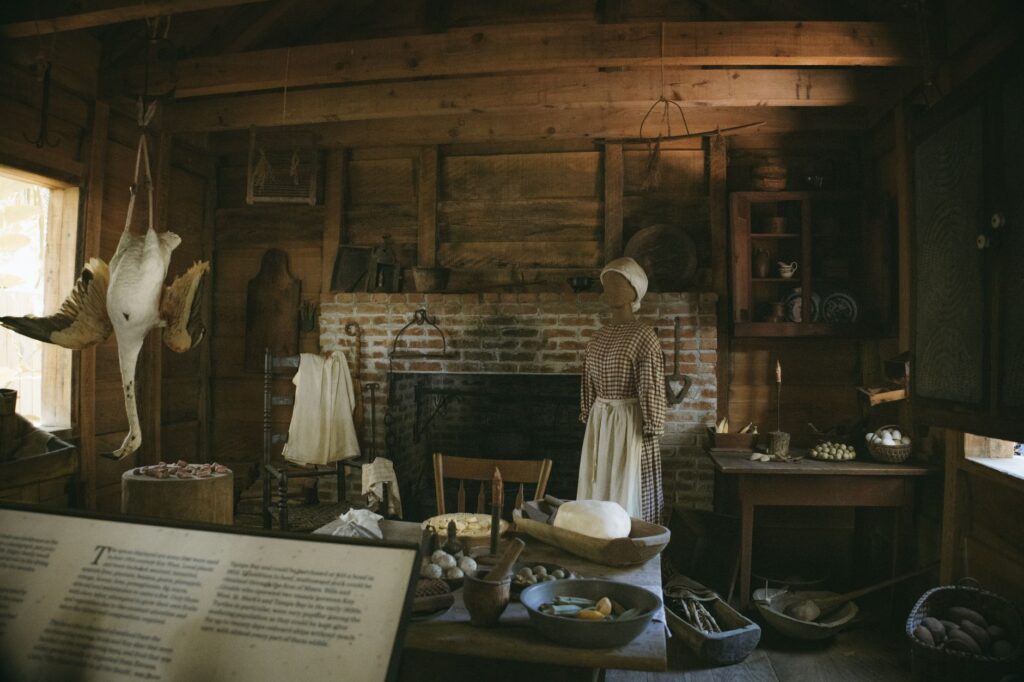
White found no people at the settlement. The buildings had been dismantled or had fallen into disrepair, and he saw no clear signs of a violent attack. Before leaving, the colonists had agreed to carve a message into a tree or post if they moved. White reported finding the word “CROATOAN” carved into a post, with the letters “CRO” cut into a nearby tree. He had asked them to add a cross if they had been forced to leave; he saw none.
What the carved word may have meant
Croatoan was the name of a nearby island, now known as Hatteras Island, and of the Indigenous people associated with it. The inscription therefore points toward a possible destination: the colonists may have moved to Croatoan, perhaps seeking help or joining a community there. It is a significant clue, but it does not establish what happened to them after they left Roanoke.
White intended to investigate, but bad weather and the condition of the ships prevented the search from going ahead. He returned to England without finding the settlers. Later accounts repeated reports that some colonists might have lived among Indigenous communities, but such reports are difficult to verify and do not provide a complete, direct record of the group’s fate.
Why the evidence remains incomplete
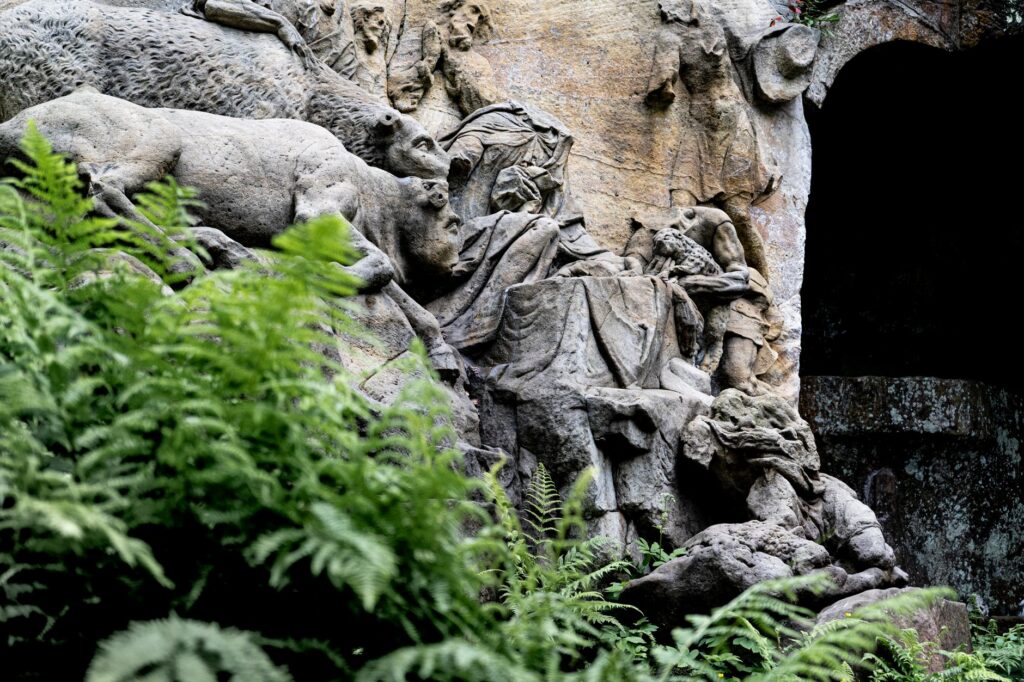
Several explanations are compatible with the limited evidence. The settlers may have moved together to Croatoan or another location, or they may have dispersed in search of food, safety, or a route to other English settlements. They could have been absorbed into local communities. Disease, hunger, conflict, or other dangers may have contributed to deaths along the way. These possibilities are not mutually exclusive: a relocation could have been followed by hardship, and different members of the colony may have met different fates.
Archaeology can help test parts of these accounts, but it cannot easily identify a group of settlers who may have lived among neighboring communities or moved across a broad region. European objects found at Indigenous sites can indicate contact or exchange, but an object alone does not prove that a particular colonist lived there. Likewise, the absence of a known burial ground or a large concentration of colonial material does not demonstrate that the settlers vanished without a trace. Sites can be difficult to locate, and coastal landscapes have changed over time.
The historical record has its own limits. White’s account describes what he observed when he returned, not the events of the intervening years. No surviving message from the settlers explains their decision or destination. Later claims may preserve fragments of real encounters, but they were recorded after the fact and cannot settle the matter on their own.
A clue, not a solution
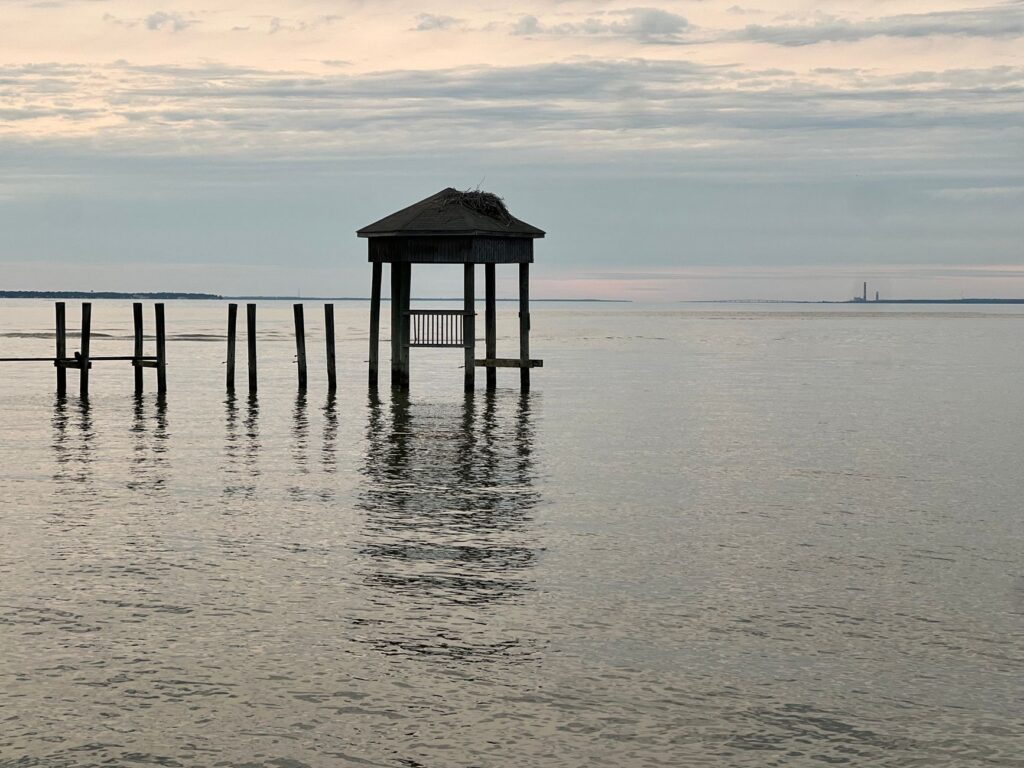
Roanoke’s disappearance is often presented as if a whole settlement vanished in one unexplained moment. The surviving evidence suggests a more careful framing: by 1590, the colonists were no longer at the place where White had left them. The carved word points to a possible movement, while the lack of a cross offered White no indication that they had been removed by force. Neither clue reveals where every person went, whether the group remained together, or how many survived.
That distinction matters. The mystery is not simply whether the settlers disappeared; it is what happened to a dispersed community whose members left few records and whose possible destinations included places beyond the English settlement. Future discoveries may clarify the story, but any convincing account will need to connect the inscription, the archaeological evidence, and the uncertain reports without treating any one clue as proof. For now, Roanoke remains an unresolved historical mystery with a direction to follow, but no confirmed ending.