A ship without its crew
On December 5, 1872, the British brigantine Dei Gratia came across another vessel drifting in the Atlantic, roughly 400 miles east of the Azores. It was the American merchant ship Mary Celeste, sailing from New York to Genoa with a cargo of industrial alcohol. The ship was seaworthy enough to remain afloat, but no one was visible aboard.
Captain David Morehouse of the Dei Gratia sent a small party to investigate. They found the Mary Celeste wet and disordered in places, with water in the hold, but not sinking. The crew’s personal belongings and much of the cargo remained. The ship’s only lifeboat, however, was missing, as were its captain, Benjamin Briggs, his wife, Sarah, their young daughter, and the seven other people aboard.
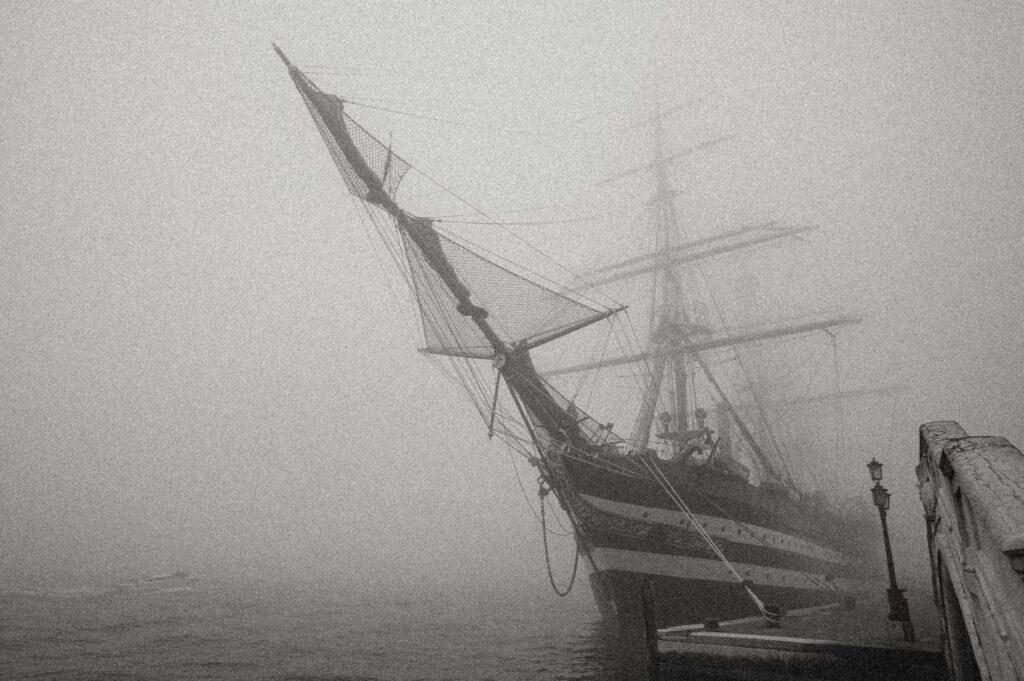
The discovery presented a striking contrast: a functioning vessel, separated from its occupants, with no direct witness to explain when or why they had left. The Mary Celeste had departed New York on November 7. Its last known entry in the ship’s log was dated November 25 and placed it near the Azores. After that, the record falls silent.
What investigators found
The Dei Gratia crew sailed the abandoned vessel to Gibraltar. There, a court inquiry considered whether the people who found it might have been involved in the disappearance. The inquiry did not establish that they had harmed the missing crew, and no conclusive evidence of foul play emerged. The court’s salvage proceedings examined the ship’s condition, but they could not determine why it had been abandoned.
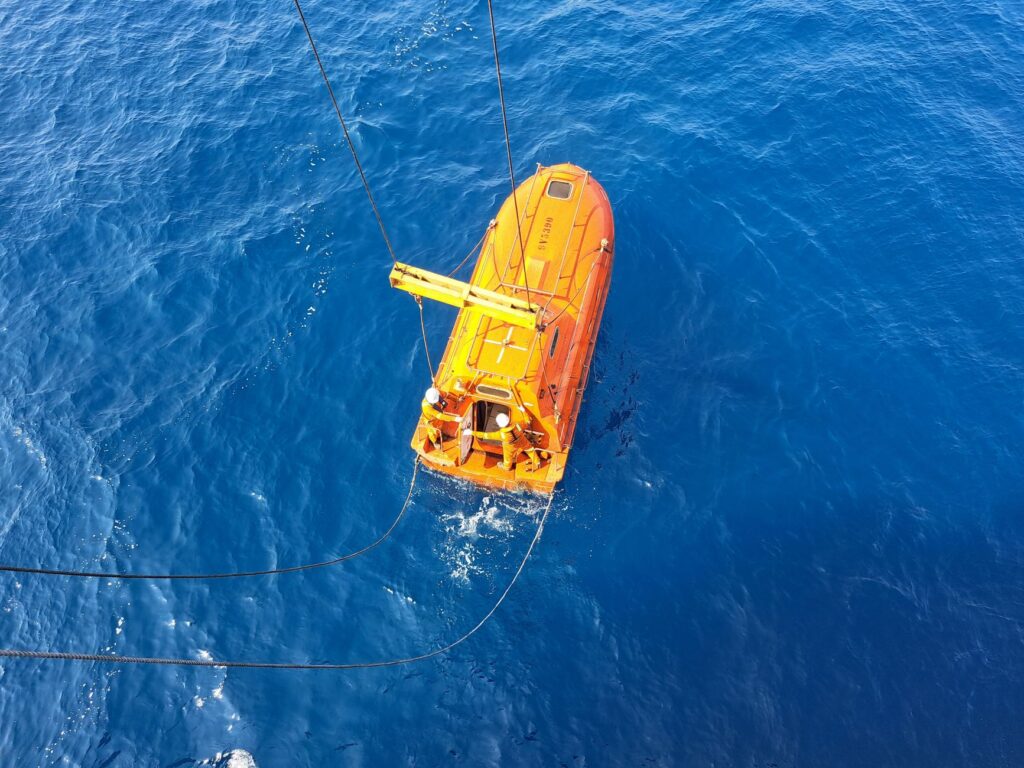
Later accounts often describe the ship as perfectly tidy, or as carrying untouched meals. Such details became part of the legend, but they are not a reliable summary of the recorded evidence. The vessel had taken on water, some equipment was missing or damaged, and the situation aboard was not pristine. The absence of the lifeboat was particularly significant: it suggested that the occupants may have left deliberately, or that they had been forced to leave during a perceived emergency.
At the same time, the surviving clues do not provide a clear timeline. Investigators could not tell exactly when the crew left, whether they intended to return, or what prompted the decision. The ship’s navigation instruments were missing, and the last log entry preceded its discovery by about ten days. A gap in the record is not evidence of a particular event; it simply limits what can be reconstructed.
Possible explanations, and their limits
One explanation is that the crew feared an explosion or fire. The ship carried alcohol, and vapors in a cargo hold can be hazardous. If Briggs suspected a dangerous buildup or heard activity below deck, he might have ordered everyone into the lifeboat while keeping it close to the ship. A sudden change in weather, a broken line, or a misjudgment of distance could then have left the small boat separated from the brigantine.
This scenario is plausible, but the evidence does not prove it. Reports of unusual conditions in the cargo and hold have been interpreted in different ways, and there is no surviving testimony from anyone aboard. Nor does the ship’s condition establish that an explosion occurred. The idea explains why a captain might abandon a vessel temporarily, but it cannot show that this is what Briggs actually did.
Other proposals include rough weather, a navigational problem, or a mistake in judging the amount of water entering the ship. Each could have contributed to a decision made under pressure. Yet none accounts securely for the final fate of all ten people. No confirmed trace of the crew or lifeboat has been found, and the available records do not identify a single event that explains both the abandonment and the disappearance.
How the mystery grew
The case became famous partly because its most memorable versions were shaped by later storytelling. A dramatic account published years after the discovery added vivid details that were not established by the inquiry. Once repeated, those embellishments helped turn a difficult maritime case into a tale of a ghost ship. The distinction matters: the documented mystery is compelling without scenes of untouched breakfasts or an entirely undisturbed deck.
The known facts point to a narrower, more careful conclusion. The Mary Celeste was found adrift with its crew missing, its lifeboat gone, and no definitive evidence of a crime or catastrophic loss of the ship. The crew may have left because they believed the vessel was unsafe, but the reason remains uncertain. Without a surviving witness or decisive physical evidence, the final moments cannot be reconstructed with confidence.
That uncertainty is not a blank space that any dramatic theory can fill. It is the boundary of what the evidence supports. The Mary Celeste remains an unsolved mystery because the ship survived long enough to be found, while the people who could have explained their decision did not return.