Throughout human history, creative breakthroughs have often arrived with an uncanny sense of externality. Artists, poets, and thinkers frequently describe moments where insight feels less like an act of deliberate calculation and more like a reception of an outside whisper. At the center of this enduring phenomenon lies the concept of the muse—an archetype that has transitioned across millennia from divine mythological guardians into earthly collaborators, cultural powerhouses, and artificial intelligence interfaces.
The Classical Roots: The Nine Daughters of Memory
In classical antiquity, inspiration was fundamentally theological. Ancient Greek tradition held that the Muses (Moúsai) were the nine daughters of Zeus and Mnemosyne, the personification of memory. This lineage was deeply symbolic: in oral cultures where literature, historical records, and natural philosophy were committed entirely to memory and recitation, creative recollection was indistinguishable from sacred intervention.
Standardized during the Classical period, each muse governed a distinct domain of intellectual and aesthetic inquiry:
- Calliope: Epic poetry and rhetoric, traditionally regarded as the foremost of the sisters.
- Clio: History, preserving the record of human actions and societal memory.
- Erato and Euterpe: Lyric poetry and music, animating the expressive arts.
- Melpomene and Thalia: Tragedy and comedy, framing the theatrical spectrum.
- Terpsichore: Dance and choral song, uniting physical movement with rhythm.
- Polyhymnia and Urania: Sacred hymnody and astronomy, spanning spiritual devotion and cosmic observation.
When Homer invoked the Muse at the opening of the Iliad and the Odyssey, he was not indulging in a stylistic flourish; he was appealing to an ontological authority beyond himself to legitimize his narrative.
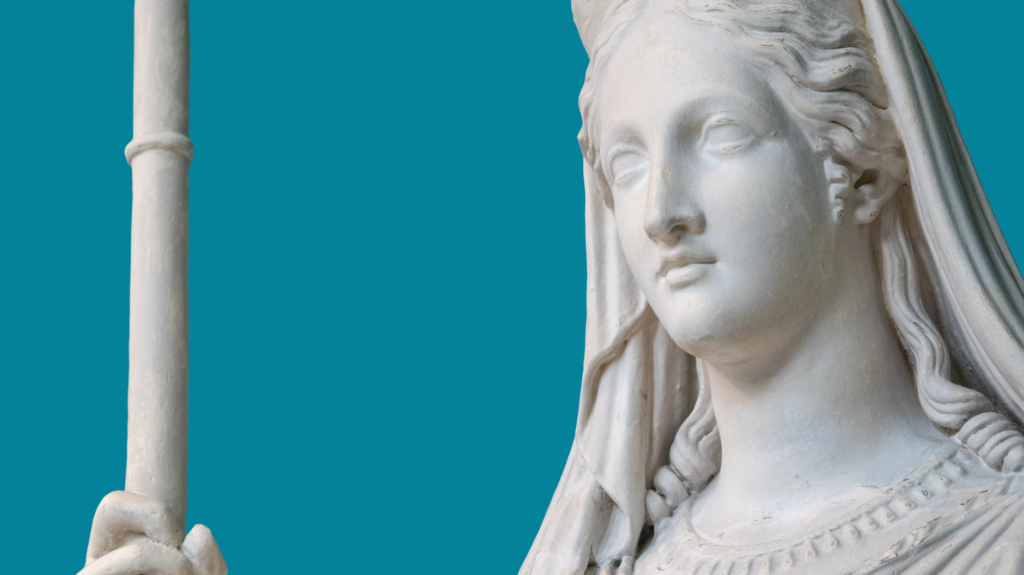
The Secularization of Inspiration: Mortal Figures and Psychology
As Western culture shifted through the Renaissance and into the Enlightenment, the concept of divine intercession gradually yielded to secular interpretation. The muse ceased to inhabit Mount Helicon and took residence in terrestrial studios and salons. Mortal figures—frequently romantic partners, patrons, or models—became the catalysts for painters, poets, and sculptors.
During the Romantic and Modernist eras, the dynamic between creator and muse grew increasingly intricate. The muse was no longer merely a passive recipient of devotion, but often a collaborator whose presence, critique, and intellectual energy directly shaped masterpieces. Concurrently, early psychoanalytic thinkers like Carl Jung repositioned the muse internally, viewing it as an externalization of the unconscious—an expression of the anima that surfaces during intense periods of aesthetic production.
“To rely on a muse is to acknowledge that the conscious ego does not possess a monopoly over creative innovation; it must remain receptive to forces beyond deliberate control.”

The Sonic Arena: Rock Grandeur and the Band Muse
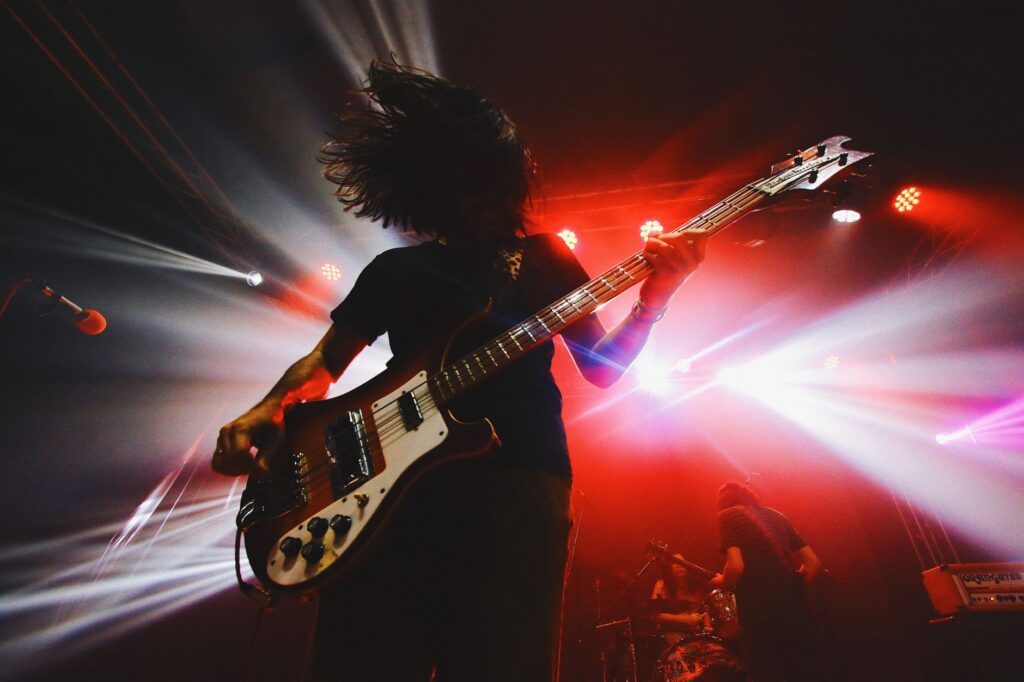
In modern popular culture, the word evokes an entirely different landscape: the high-octane, genre-bending music of the English rock trio Muse. Formed in Teignmouth, Devon, in 1994, the band—comprising Matt Bellamy, Chris Wolstenholme, and Dominic Howard—reinvented how classical grandeur could merge with alternative and progressive rock.
From their debut with Showbiz (1999) through landmark releases such as Origin of Symmetry (2001) and Absolution (2003), the trio demonstrated an obsession with themes that mirror the classical duality of inspiration and catastrophe. Bellamy’s soaring falsetto and virtuosic piano passages integrate Romantic-era classical arrangements with distorted basslines and apocalyptic narratives.
Bridging Classical Form and Futuristic Angst
Rather than treating classical structures as historical relics, the band transformed them into visceral sonic tools. Their thematic focus on paranoia, government overreach, existential dread, and human resilience reflects the original spirit of the epic muse: narrating the human struggle against insurmountable cosmic or societal forces on a massive canvas.
The Synthetic Muse: Algorithmic Agents and the Future of Creation
In the contemporary digital landscape, the definition of the muse is undergoing another radical shift. Modern technology companies and artificial intelligence researchers have adopted the term to designate intelligent agents designed to augment human work, generate prose, draft code, and organize information.
These synthetic agents represent an ironic return to antiquity. Just as the ancient Greeks viewed the muse as an external, inexhaustible fountain of knowledge and expression, modern creators increasingly converse with autonomous models to brainstorm, outline, and refine their ideas. However, this convergence raises crucial philosophical questions:
- Does algorithmic assistance dilute individual authorial voice, or does it liberate artists from technical friction?
- Can an architecture built on probabilistic statistical associations replicate the genuine, emotionally grounded spark historically associated with inspiration?

From Homeric invocations on mountain shrines to sold-out stadium performances and neural network workflows, the muse remains humanity’s most durable creative metaphor. It reflects a fundamental truth about innovation: whether framed through myth, human intimacy, sonic art, or code, creation is rarely a solitary endeavor—it is always a dialogue.