Throughout recorded history, human beings have grappled with the mystery of inspiration. Where do breakthrough ideas, haunting melodies, and revolutionary artworks originate? For centuries, thinkers, poets, and craftsmen looked outside themselves for answers, attributing artistic transcendence to an ethereal source: the muse. Yet the concept has never remained static. Over millennia, the muse has evolved from a pantheon of sacred Greek deities into real-world human catalysts, an internationally acclaimed rock band, and most recently, algorithmic artificial intelligence platforms designed to spark creative output.
The Classical Genesis: Nine Sisters of Helicon
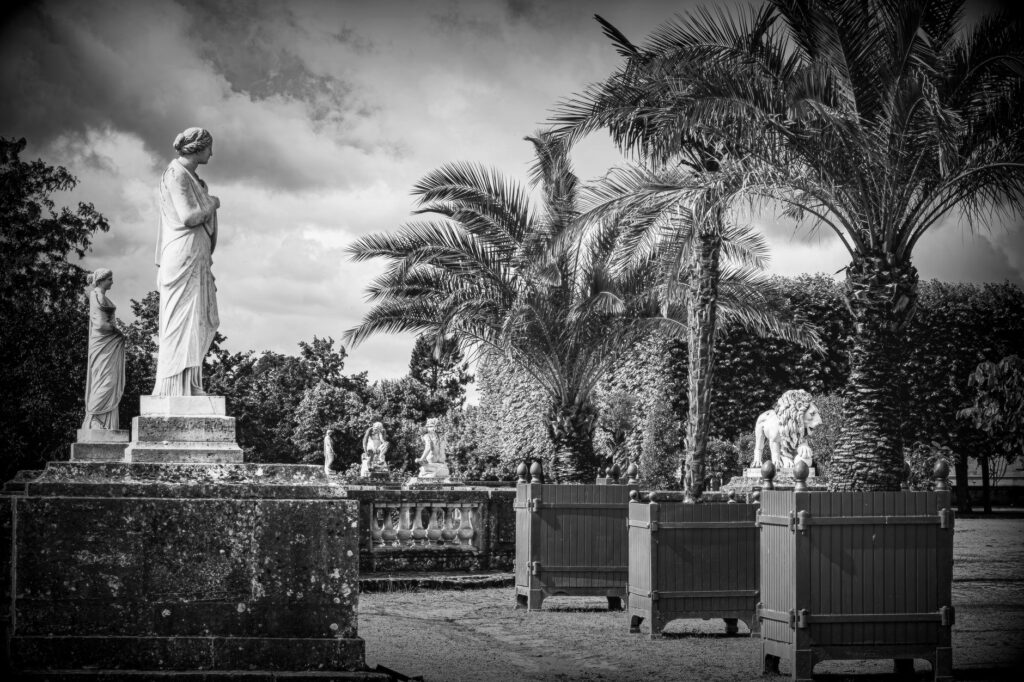
In ancient Greek mythology, the Muses were water nymphs who evolved into the nine daughters of Zeus and Mnemosyne, the goddess of memory. Presided over by Apollo, the god of music and prophecy, these sisters represented the highest cultural arts and scientific disciplines of the classical world. Classical poets did not claim sole authorship of their epics; rather, Homer opened both the Iliad and the Odyssey with explicit invocations, petitioning the goddess to sing through him.
- Calliope: Chief of the Muses, patron of epic poetry and eloquence.
- Clio: The proclaimer, overseeing historical records and memory.
- Erato: The inspirer of lyric poetry, romance, and longing.
- Euterpe: The bearer of delight, governing music and wind instruments.
- Melpomene & Thalia: The twin dramatists, presiding respectively over tragedy and comedy.
- Polyhymnia, Terpsichore & Urania: Patrons of sacred hymns, dance, and astronomy.
Within this ancient framework, human creators acted primarily as vessels. Artistic execution was viewed not merely as an act of individual ego, but as a sacred collaboration with divine memory.
From Olympus to the Salon: The Humanization of Inspiration
As the Renaissance and subsequent Romantic eras emphasized individualism and humanist philosophy, the nature of the muse shifted. Divine entities faded into metaphorical territory, making way for living, breathing human beings who stimulated the imaginations of creators. Artists began seeking their muses in salons, studios, and romantic partnerships.
Figures such as Dante Alighieri found an enduring creative beacon in Beatrice Portinari, whose fleeting presence illuminated the structure of the Divine Comedy. In the nineteenth and twentieth centuries, artistic circles in Paris and London centered around influential figures who provided both intellectual dialogue and emotional turbulence. However, this dynamic often harbored complex tensions. Historically, the designated muse was frequently an artist in her own right whose contributions were overshadowed by the male creator she inspired.
The modern reconsideration of the muse acknowledges that inspiration is rarely a passive phenomenon; it is an active, reciprocal dialogue between creative minds.
Sonic Power: The Modern Musical Phenomenon
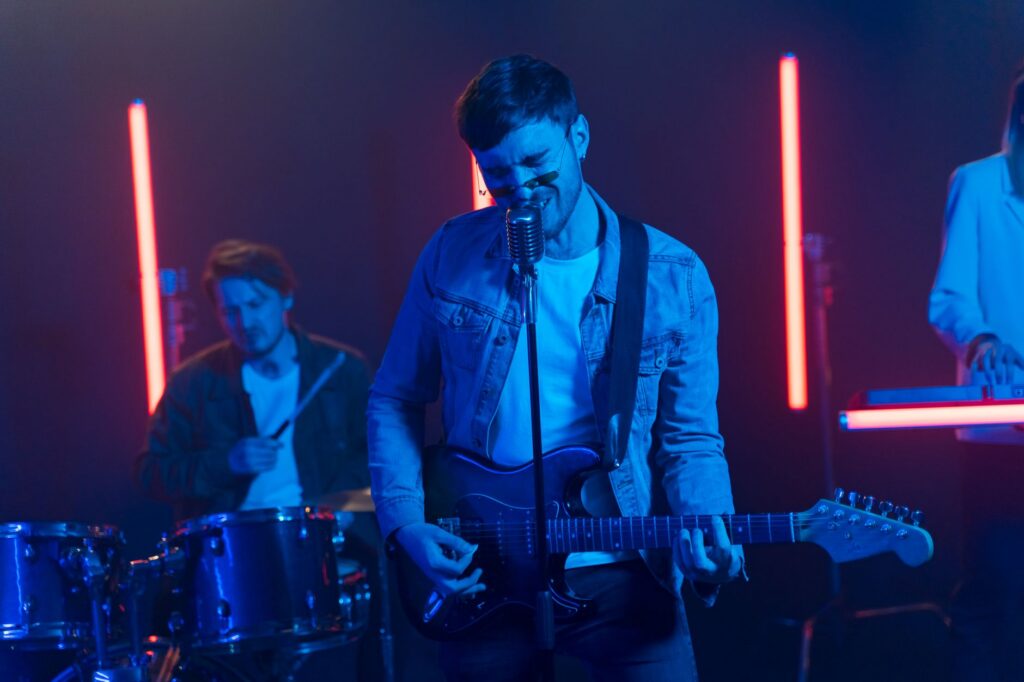
In the late twentieth century, the term broke definitively into popular contemporary culture with the emergence of the English rock trio Muse. Formed in Teignmouth, Devon, in 1994, the lineup consisting of Matt Bellamy, Chris Wolstenholme, and Dominic Howard reclaimed the word to symbolize boundless sonic ambition.
Beginning with their 1999 debut Showbiz and solidified through critically acclaimed landmarks like Origin of Symmetry (2001) and Absolution (2003), the band constructed a signature sound that fused alternative rock, progressive arrangements, and romantic classical instrumentation. Bellamy’s soaring falsetto and sweeping Rachmaninoff-inspired piano cadenzas merged seamlessly with aggressive guitar distortion and apocalyptic thematic concerns.
For the modern musical landscape, Muse recontextualized the word from passive aesthetic contemplation into intense, kinetic performance. Their global arena tours, characterized by grand visual design and thematic inquiries into technological overreach and governmental control, demonstrated how ancient concepts of artistic vigor could translate into twenty-first-century rock theater.
The Algorithmic Muse: Generative Tools and AI Collaborators
Today, the concept of the muse is undergoing another radical metamorphosis, crossing over from biology into computation. The rise of machine learning models and dedicated platforms—such as generative media platforms, synthesis applications, and creative coding suites—has introduced what many researchers and practitioners term the “algorithmic muse.”
Rather than replacing the artist, creative artificial intelligence systems function as tireless generative collaborators. Modern AI tools can synthesize hours of raw audio, generate preliminary design sketches, simulate orchestrations, or assist writers with structural variations in seconds. Creative workflows across diverse industries increasingly utilize these digital partners to overcome the initial terror of the blank page.
- Rapid Iteration: Synthesizing disparate concepts into exploratory mood boards or chord progressions instantly.
- Serendipitous Discovery: Producing unexpected statistical variations that jolt an artist out of habitual patterns.
- Democratized Production: Offering independent creators advanced tools for video indexing, audio editing, and visual styling.
This technological transition raises profound philosophical questions. If inspiration can be systematically prompted through statistical weightings and trained dataset tokens, where does genuine intent reside?
Conclusion: The Indelible Spark of Human Intent
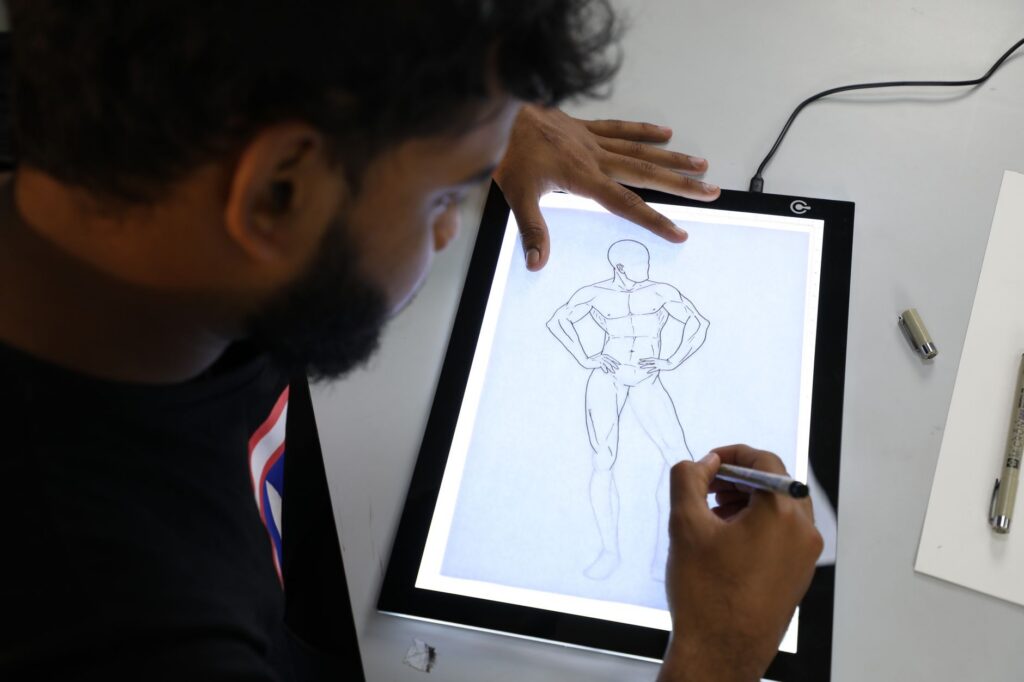
Whether conceived as an Olympian goddess, an inspiring companion, an arena-filling rock band, or an intricate neural network, the muse fundamentally reflects humanity’s continuous quest to understand the creative spark. Mediums, tools, and mythologies adapt to their eras, but the core dynamic endures: creators require a catalyst to transcend the ordinary. As technology continues to evolve, the tools assisting our imagination may change, yet the ultimate responsibility for meaning, emotional resonance, and authenticity remains distinctly human.