Introduction: The Persistent Allure of Aerial Mysteries
For nearly a century, reports of unidentified flying objects (UFOs)—now formally designated by many governmental agencies as Unidentified Anomalous Phenomena (UAP)—have captivated public imagination and challenged military intelligence. While popular culture often equates these sightings with extraterrestrial visitation, the historical reality is far more intricate. Most historical UFO incidents lie at the intersection of technological experimentalism, geopolitical secrecy, atmospheric anomalies, and human perception.
Understanding significant UFO incidents requires an analytical lens. By separating documented evidence, radar data, and official declassified archives from sensational folklore, researchers can trace how unidentified aerial events have shaped defense policies, scientific skepticism, and modern investigative frameworks.
The Cold War Catalyst: Roswell and Project Mogul
No discussion of modern aerial phenomena is complete without examining the event that established the blueprint for UFO lore: the summer 1947 incident in Roswell, New Mexico. In early July of that year, personnel from the Roswell Army Air Field issued a press release stating that a ‘flying disc’ had been recovered from a nearby ranch. Within twenty-four hours, military officials retracted the claim, identifying the debris as remnants of a conventional weather balloon.
Decades later, declassified military records revealed a nuanced reality. The debris recovered was not an ordinary weather balloon, nor was it extraterrestrial technology; it belonged to Project Mogul. This top-secret military initiative utilized high-altitude balloons equipped with sensitive acoustic sensors designed to detect sound waves generated by Soviet nuclear detonations. Because the project was classified at the highest levels of security, officials could not disclose the true nature of the materials.
The tension between intense military secrecy and public fascination during the early Cold War created fertile ground for mythmaking, converting classified national security operations into enduring urban legends.
The Roswell case illustrates how institutional opacity can unintentionally foster conspiracy theories. When governments cannot reveal strategic surveillance assets, speculative narratives often fill the informational vacuum.
Documented Encounters: The 1976 Tehran Incident
While many sightings rely strictly on anecdotal accounts, certain incidents stand out due to synchronized eyewitness reports, radar tracking, and physiological or equipment anomalies. One of the most thoroughly analyzed historical cases occurred on the night of September 19, 1976, over Tehran, Iran.
Following numerous civilian calls regarding a bright, luminescent aerial object over the capital, the Imperial Iranian Air Force scrambled an F-4 Phantom II interceptor. Upon approaching the target, the pilot reported a complete loss of cockpit instrumentation and communications, forcing a retreat, after which systems resumed normal operation. A second F-4 was dispatched, reporting both visual and radar contact with a brilliantly radiating craft.
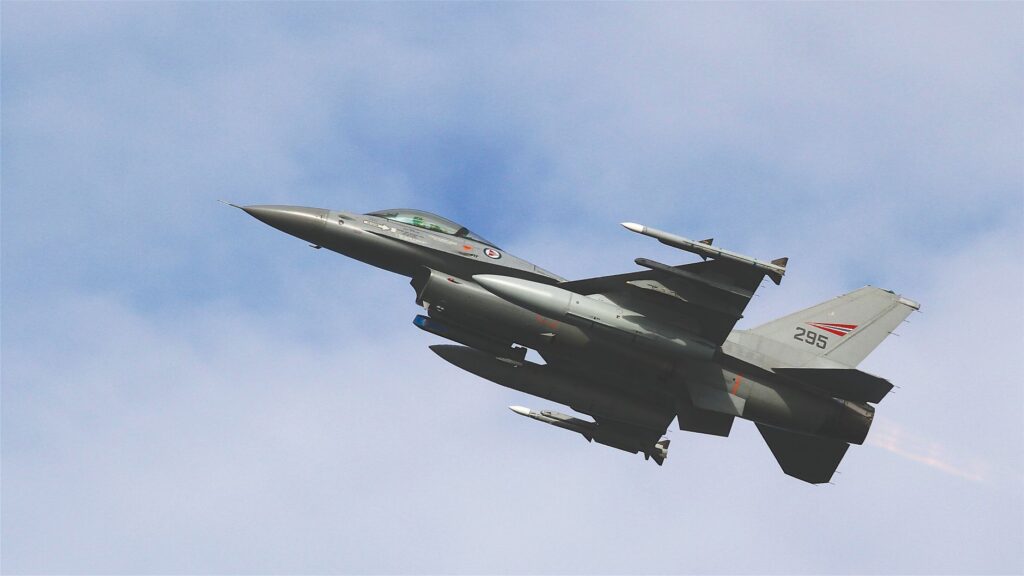
The encounter grew more extraordinary when the second aircraft attempted to track and potentially engage the object:
- The crew observed a smaller luminous body detach from the primary object, descending rapidly toward the interceptor.
- The weapons control system experienced a sudden electronic failure as the crew prepared defensive measures.
- Commercial airliners in the vicinity simultaneously logged communication dropouts.
Classified memorandums later distributed within the United States military and intelligence communities cataloged the 1976 Tehran incident as a premier radar-visual case study. Hypotheses have ranged from advanced electromagnetic electronic warfare testing to celestial misidentifications coupled with mechanical glitches, yet the event remains a classic subject of aerospace research.
From Stigma to Science: The Paradigm Shift to UAP
For decades, the scientific and defense establishments treated UFO incidents with overt skepticism, often dismissing witnesses to avoid institutional embarrassment. However, the last decade has witnessed a dramatic paradigm shift, primarily driven by encounters recorded by sophisticated military sensor suites.
Declassified infrared and radar footage captured by United States Navy aviators—such as the encounters involving the USS Nimitz strike group—prompted formal inquiries by defense departments and legislative bodies worldwide. Instead of debating science fiction tropes, contemporary evaluations emphasize flight safety, national airspace integrity, and scientific analysis.
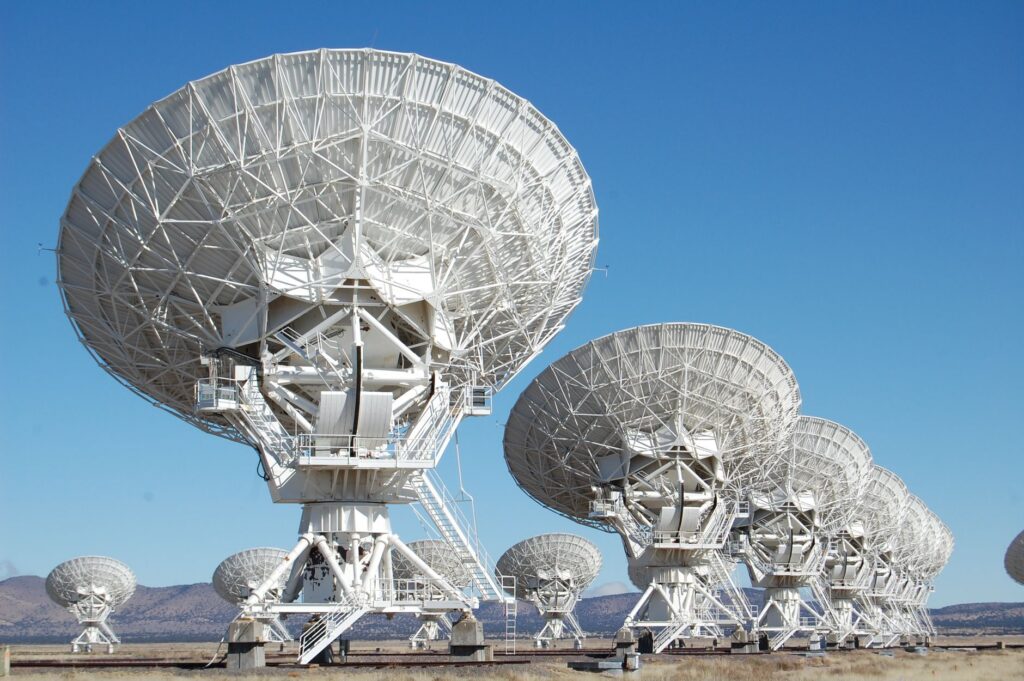
Modern analytical panels, including dedicated research teams established by space agencies, advocate for standardizing sensor data collection. By systematically recording multispectral observations, meteorological telemetry, and anomalous radar returns, investigators aim to resolve aerial ambiguities through rigorous empirical methodologies.
The Complex Spectrum of Explanations
When evaluated systematically, documented UFO incidents typically fall into several identifiable categories:
- Classified Military Technologies: Advanced unmanned aerial vehicles, stealth prototypes, and electronic countermeasure systems frequently account for unexplained capabilities observed by casual observers.
- Rare Atmospheric and Plasma Phenomena: Ball lightning, temperature inversions creating radar mirages, and refracted planetary light can produce convincing illusions of high-speed maneuvers.
- Sensor Calibration and Parallax Artifacts: Modern optical targeting systems can create optical illusions where distant, slow-moving objects appear to travel at hyper-velocity due to camera movement and parallax.
- True Anomalies: A small residue of well-documented incidents remains unexplained, presenting characteristics that warrant continued, unbiased scientific inquiry.
Conclusion: An Open Horizon for Inquiry
The history of UFO incidents demonstrates that aerial anomalies demand neither uncritical belief nor dogmatic dismissal. From the secret listening balloons of Roswell to the electronically complex intercepts over Tehran, these events highlight the challenges of interpreting phenomena at the boundaries of human observation and technological capability. By demystifying the past and relying on transparent scientific investigation, society can explore the skies with both rational discernment and genuine curiosity.