Defining the Program
At its core, a program is a structured set of instructions designed to produce a specific outcome. In computing, that outcome is executed by a machine. But the term reaches much further: a government initiative, a fitness regimen, or a corporate training scheme can all be called a program because each arranges steps toward a defined goal.
This shared structure—ordered steps, a defined target, and a mechanism for execution—explains why the same word appears in so many contexts. The details change, but the underlying logic of instruction and execution stays remarkably consistent.
How a Computer Program Executes
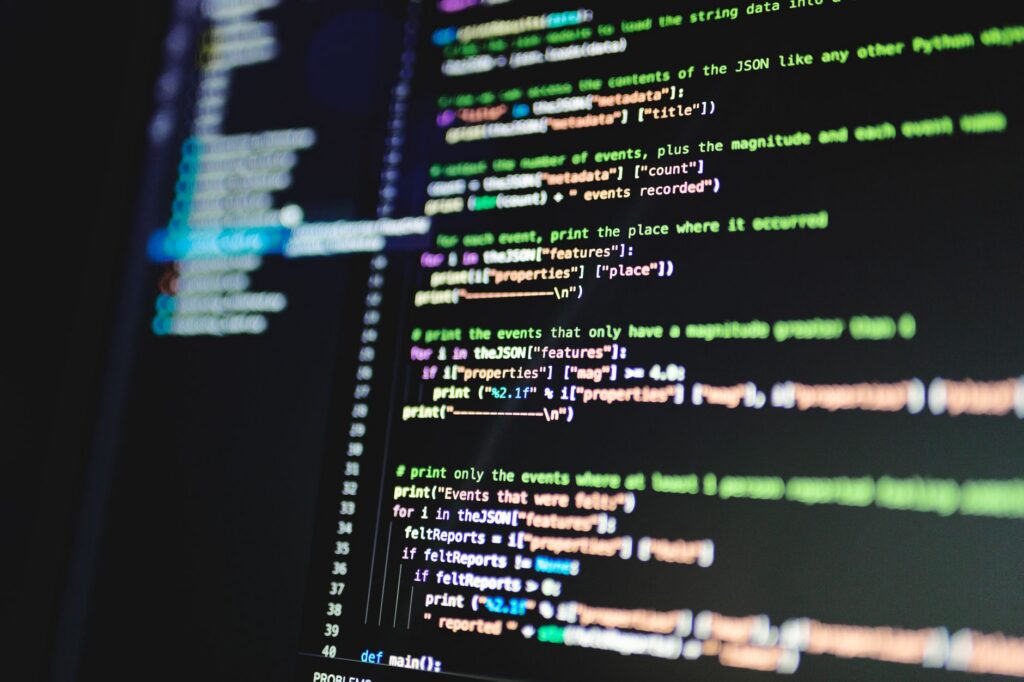
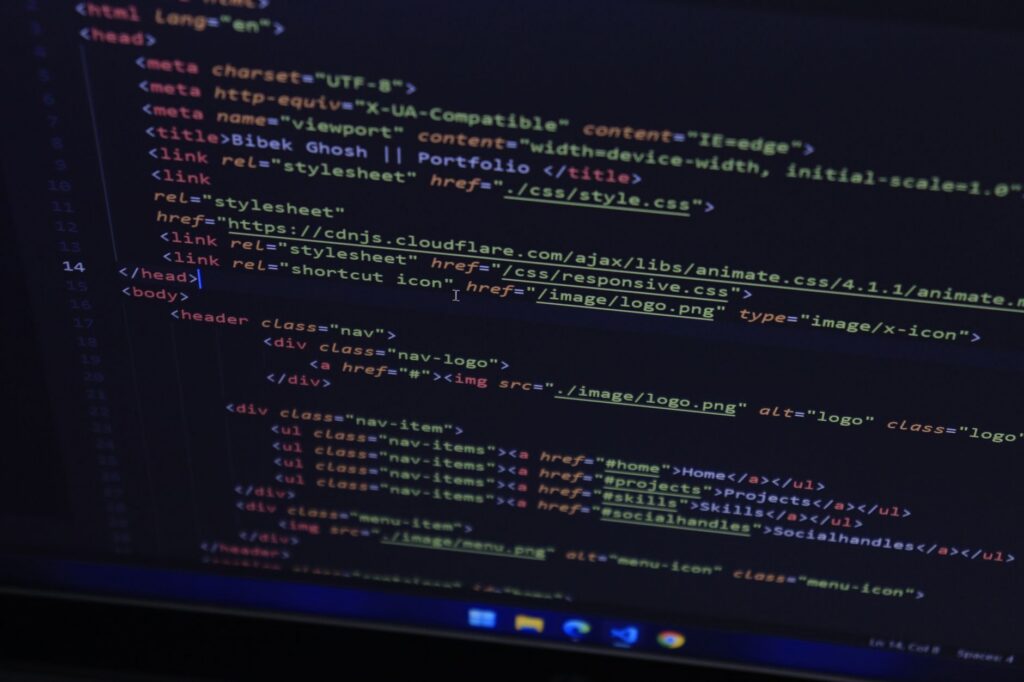
A computer program in its human-readable form is called source code. Humans write it in languages such as Python, C, or Java, but a processor cannot read it directly. Computers execute only their native machine instructions, so source code must be translated first.
This translation typically happens through a compiler or an interpreter. A compiler converts the entire program into machine instructions ahead of time, producing an executable file. An interpreter translates and runs instructions step by step. Assembly language, which sits closer to the hardware, is handled by an assembler.
Once translated, the program is loaded into memory and the processor begins fetching and executing instructions in sequence. Control flow statements—conditions, loops, and function calls—allow the program to make decisions rather than follow a single rigid line. This is what separates a useful program from a simple list of commands.
Programs, Software, and Data
A program is one component of software, but software also includes documentation, configuration files, and other intangible elements. Data, meanwhile, is distinct from the program: the program describes what to do, and data describes what to do it with. A spreadsheet application is a program; the numbers you enter are data.
What Makes a Program Well-Designed
- Clarity: readable structure helps others maintain and extend it.
- Modularity: breaking work into functions or modules limits complexity.
- Correctness: it produces the intended result under expected conditions.
- Efficiency: it uses reasonable time and memory for its task.
These qualities apply far beyond code. Any initiative benefits from clear steps, defined responsibilities, and measurable outcomes.
Languages and the Python Example
Programming languages exist on a spectrum. Low-level languages like assembly offer precise control but demand deep hardware knowledge. High-level languages abstract those details, trading some control for productivity and readability.
Python illustrates this trade-off well. It was designed around readability and simplicity, allowing developers to express ideas in fewer lines than many older languages. That design philosophy helped it spread from scripting and automation into data analysis, machine learning, and education.

The lesson is not that one language is best, but that each encodes assumptions about who writes programs and what they need. A language optimized for teaching looks different from one optimized for embedded systems.
From Code to Intelligent Systems
Modern artificial intelligence systems are, at bottom, programs—though vastly larger and more complex than the examples above. A model is trained by one program and served by another. When a chatbot responds to a question, a chain of programs handles input, inference, and output.
This is why the term program remains useful even as the technology grows. It reminds us that complex behavior is built from structured, executable steps.
The Program Beyond Computing
The word also describes organized efforts that are not machines at all. Social programs aim to improve outcomes in health, education, or welfare. Corporate programs coordinate training or compliance. A fitness program sequences exercise to build capacity over time.
These uses are not metaphorical accidents. They reflect a genuine structural similarity: someone defines a goal, designs a sequence of actions, and evaluates whether the sequence works.

Whether written in code or in policy, a program is a hypothesis about how to reach a result—and it can be tested, revised, or abandoned.
Evaluation as the Common Thread
Computing and social programs differ in one important way: social programs rarely have deterministic outcomes. A loop always behaves the same way given the same inputs; a public health initiative operates in an unpredictable world. That is why evaluation matters. Measuring outcomes, adjusting design, and iterating are how non-technical programs improve.
Practical Takeaways
- Understand the distinction between source code, compiled output, and data.
- Recognize that program design principles apply across domains.
- Choose a language or framework based on the problem, not prestige.
- Treat any program—technical or social—as something to evaluate and refine.
The concept of a program connects the abstract and the practical. It describes how instructions become action, whether the executor is a processor or a community.